 Mr Wijat's friend Magic Rabbit
  http://www.easterlingentertainment.net
INLNews YahooMail HotMail GMail AOLMai
lUSA MAIL YahooMail HotMailGMail AOLMail MyWayMail CNNWorld IsraelVideoNs
INLNsNYTimes WashNs AustStockEx WorldMedia JapanNs AusNs World VideoNs WorldFinance ChinaDaily IndiaNs USADaily BBC EuroNsABCAust
WANs NZNews QldNs MelbAge AdelaideNs TasNews ABCTas DarwinNsUSA MA
Stories Video/Audio Reuters AP AFP The Christian Science Monitor U.S. News & World Report AFP Features Reuters Life! NPR The Advocate Pew Daily Number Today in History Obituaries Corrections Politics LocalNews BBC News
Murdoch Attempting to Buy the UK General Election for the Conservative Party


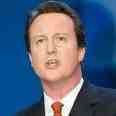


David Cameron and Rupert Murdoch singing the the chorus of Ruperts New Hit Song... "I'm going to buy the BBC"
"I'm Rupert Murdoch just brought the Wall Street Journal, and now I'm off to London after I get David Cameron and his Tory Party into power then David will let me buy the BBC..."
The above is the chorus of Rupert Murdoch's new hit Single..."I'm going to buy the BBC".....selling very well amoundst Tory Party members
"he is all carvivorous, no. taste.....will eat anything in his path...who has been persoanlly respncible for the decline of quality and investigative journalism in America by turning it into cheap profitable junk news....as he now want to do with his planned take over of UK's much respected and loved BBC if David Cameron and his Tory Party will the next 2010 UK election...
......you can fight back and stop...................
..............Rupert Murdoch's nextmedia take over the the BBC..
the last well funded and truely free speach and independent and investigative journalism organisation oin the world where it's journalists, TV and Internet presentors and editors are not told what to say, when to say it and how to say it by a private media boss who's only interest is in bigger profits, cheap and junk journalism and shaping and controlling the editorial content to support a political party that will play by his rules to further his and his powerful silent multi trillionaire backers known the Builderberger Group's business's interests...."

www.silobreaker.com
Home Global Issues Technology Science Business Energy World
http://www.silobreaker.com/
Type: Company News International Ltd Nationality: United Kingdom
Murdoch Attempting to Buy the UK General Election for the Conservative Party
Published 11/14/2009 by The Market Oracle
"It is essential for the future of independent digital journalism that a fair price can be charged for news to people who value it"Murdoch Attempting to Buy the UK General Election for the Conservative Party [The Market Oracle - 11/14/2009]
"The BBC is dominant, Other organisations might rise and fall but the BBC's income is guaranteed and growing."
Murdoch Attempting to Buy the UK General Election for the Conservative Party [The Market Oracle - 11/14/2009]
The Murdoch News International press is openly engaged in a campaign to bring about a Conservative Government in lieu of Tory promises for News International favourable government policies.
This week we saw the Sun sparked story concerningGordon Brown's hand written condolences letter to the mother of...
http://www.marketoracle.co.uk/
Murdoch Attempting to Buy the UK General Election for the Conservative Party
Politics / UK General Election Nov 14, 2009 By: Nadeem_Walayat
The Murdoch News International press is openly engaged in a campaign to bring about a Conservative Government in lieu of Tory promises for News International favourable government policies.
This week we saw the Sun sparked story concerning Gordon Brown's hand written condolence letter to the mother of a solider killed in Afghanistan that contained spelling mistakes. The Sun instigated a viscous attack on the Prime Minster and used the bereaved Mother to attempt to damage Gordon Brown which was implemented in a coordinated manner by the relentless reporting of by Murdoch's Sky News channel. The BBC responded to this and other newspaper coverage to continue the story into the end of the week. However the whole story has backfired on the Murdoch press as the electorate clearly sided more with the Prime Minister than the biased propaganda emanating out of the Sun. The Murdoch's press strategy is clearly motivated by self interest as I pointed out in August (News Corporation's Murdoch Blames BBC For Driving Independent Journalism Out of Business), that the Murdoch press is making huge losses in an media market place that is being decimated by the internet and the state run BBC broadcaster against which the Murdoch press for obvious reasons cannot compete. James Murdoch stated: "The expansion of state-sponsored journalism is a threat to the plurality and independence of news provision," "The BBC is dominant, Other organisations might rise and fall but the BBC's income is guaranteed and growing." "It is essential for the future of independent digital journalism that a fair price can be charged for news to people who value it," The answer to the problem of the internet and the BBC is clearly for the Murdoch press to seek favour from a new government policy in reward for electioneering support that will result in a government that is willing to implement policies to diminish the competition poised by both the BBC and the internet. At the beginning of October the Murdoch press accelerated its objective of winning favour amongst the tory party leadership by the Sun publically declaring its backing for the Conservative party some 6 months ahead of the next General Election. This has been subsequently been followed by favourable policy proposals out of the Conservative party in the commercial interests of News International such as reported in the Independent in response to Peter Mandelson's allegations of the Tory leaders being suspected of having done a deal with Murdoch. Examples of the apparent tie-in between what News International's boss, James Murdoch, wants, and what David Cameron is ready to promise include the recent decision by the Conservatives to abandon the idea of "top slicing" the BBC licence fee. It had been proposed that part of the money paid to the BBC would be siphoned off to help regional television companies meet the threat from the internet. But this would also have helped them compete more effectively against Sky News, which is part of the Murdoch media empire. When the policy was abandoned in September, Jeremy Hunt, the shadow Culture Secretary, said that it was because enacting it might make the commercial television companies "focus not on attracting viewers but on attracting subsidies". There was no gain for the BBC in the climb down, because David Cameron had already said that the Tories will freeze the licence fee. What it will mean is that the BBC's income will be capped, without the regional television companies seeing any government help, which will strengthen the market position of Britain's only satellite television company, Sky. "This was done for News International," a Tory insider said yesterday. "Murdoch wants Sky to go head to head with the BBC. He doesn't want the independent companies strengthened." In April 2008, James Murdoch complained bitterly about the media regulator Ofcom in his first major speech after taking over as chief executive of News Corporation in Europe and Asia. The following year, David Cameron announced that a Conservative government would cut Ofcom down to size. The rest of the mainstream press in their self interest is secretly supportive of these measures of restriction's on the BBC and the internet competition and therefore unlikely to report on this subject to any significant length. The campaign in favour of a Conservative party by a tory friendly Murdoch press dates back much earlier than the Sun's September announcement of support, as illustrated by the June 09 Sun newspaper article that forecast a Conservative landslide victory of 414 seats, against my own projection of 343 seats which is suggestive of biased propaganda rather than real journalism.
Therefore readers of the Murdoch Press including the Sun and Sky News viewers, should take much of the coverage of the General Election campaign with a big pinch of salt as it is biase d propaganda in favour of an outcome that will reward News International in monetary terms, i.e. we are back to an age of press barons such as Rupert Murdoch attempting to buy the next general election for the Conservative Party for influence. Source: http://www. By Nadeem Walayat
http://www.marketoracle.co.uk
Nadeem Walayat has over 20 years experience of trading derivatives, portfolio management and analysing the financial markets, including one of few who both anticipated and Beat the 1987 Crash. Nadeem's forward looking analysis specialises on the housing market and interest rates. Nadeem is the Editor of The Market Oracle, a FREE Daily Financial Markets Analysis & Forecasting online publication. We present in-depth analysis from over 300 experienced analysts on a range of views of the probable direction of the financial markets. Thus enabling our readers to arrive at an informed opinion on future market direction. http://www.
News Flashes from  USA WEEKLY NEWS
Great world news links, hard hitting news and features Easy To Find Hard to Leave
Click here for usaweeklynews.com Informative, Intertesting, Entertaining and Real News http://usaweeklynews.com/Home_
USA Weekly News Exclusive http://usaweeklynews.com/
I finally brougjht the Wall Street Journal...now I off to Britain to buy the BBC.... to make sure I can make everyone pay for the news..I keep reminding the world that news is not free,
even the cheap profitable junk news... News Corp chuns out in it's publications worlwide..everone must pay me my 'news toll fee'.....".......Repurt Murdoch"
Rupert Murdoch named as the seventh most powerful person in the world is set to take over ownership of the BBC if David Cameron's Tory party gains power from Gordon Brown's Labour Party in at the next UK Election in 2010
Click here to read the full story in the USAWeeklyNews and see the video of Keith Rupert Murdoch past, present and future aims to increase his stranglehold and control of the editorial content and advertising and subscription revenues of the worlds media http://www.usaweeklynews.com/
No. 7 Most Powerful person in the World ......Rupert Murdoch Chairman News Corp. U.S. Age: 78


AP Photo/Jacquelyn Martin
"The leading British (the Times), Australian (The Australian), American (The Wall Street Journal) newspapers, in addition to tabloids like the New York Post and The Sun (U.K.). Also movies (20th Century Fox), books (HarperCollins), television (Fox, BSkyB he man who owns the news" still believes in print, not afraid to use vast media holdings to further personal political views. Media empire includes), online (MySpace). Weak ad-marketing hurting his News Corp.: net loss of $3.4 billion in fiscal 2009, stock off March lows,
but still well below 2007 levels, when he made a $5.6 billion gamble on Dow Jones. Accused Google of stealing content; threatened to block search engine from indexing his Web sites. "Quality journalism isn't cheap. "
As insider in Rupert Murdochs multi Billion News Limited Media Group reveals plans for take over BBC in return for backing

David Cameron's Tory Party in the United Kingdom with favourable news stories for the Tories and attacking

Gordon's Brown and his Labour Party in his Sun Newspaper and other powerful hard copy and Internet media outlets in the UK.
The biggest and most important and serious political issue for Labour and the people of the UK in the upcoming 2010 United Kingdom Elections is to stop the BBC from being taken
over by the Rupert Murdoch's powerful media Group, described by the Bill Moyer Journal and Free PressFounder, Robert McChessney the founder of
FreePress.net ( www.freepress.net ) as "All Carnivorous, no taste.... who will eat anything in his path"


As insider in Rupert Murdochs multi Billion News Limited Media Group reveals plans for take over BBC in return for backing David Cameron's Tory Party in the United Kingdom with favourable news stories for the Tories and attacking Gordon's Brown and his Labour Party in his Sun Newspaper and other powerful hard copy and Internet media outlets in the UK. An insider in Rupert Murdoch's News Corp has informed the USA Weekly News that David Cameron and his Tory Party, has promised to privatise the BBC and sell the BBC off to Rupert Murdoch's powerful News Corp media group if Rupert Murdoch's News Corporation is successful in helping David Cameron and his Tory Party to win the next 2010 UK election Keith Olberman on the history Rupert Murdoch and planned ownership and control of the world's media...Part One OutFoxed Part One Rupert Murdoch just brought the Wall Street Journal, and now Rupert is off to Britain after he gets David Cameron and his Tory Party into power to buy the BBC To some he is little less than the devil incarnate, to others, the most progressive mover-and-shaker in the media business. Whatever the case, as head of a global broadcasting empire worth £30bn, Rupert Murdoch continues to provoke strong emotions. No-one who saw Melvyn Bragg's dramatic interview with Dennis Potter in 1994 will ever forget it. Potter, who was terminally ill with cancer, yet had lost none of his waspish wit, mused on his life, his work...and his illness. "I call my cancer Rupert," he told Bragg. "Because that man Murdoch is the one who, if I had the time (I've got too much writing to do)... I would shoot the bugger if I could. "There is no one person more responsible for the pollution of what was already a fairly polluted press." The focus of Potter's hatred - Rupert Murdoch - is now 71, with a new baby daughter by a new wife. He is as ambitious as ever, still planning to expand his business, News Corporation (News Corp), and intent on establishing his children as worthy successors to their old man. From Page Three through the Simpsons and BSkyB to Twentieth Century Fox and digital television, Murdoch has created a personal media empire before which even Citizen Kane would tremble. But, his many detractors would say, Murdoch's success has resulted in the dumbing-down of the media, with quality entertainment and journalism replaced by mindless vulgarity. "not the sort of person who liked playing in a team". " I'm rather sick of snobs who tell us they're bad papers. " Murdoch lambasts his critics Groomed by his father, young Rupert was educated at Oxford, where he supported the Labour Party. But, aged just 22, Sir Keith died and Murdoch returned to Australia to take charge of the family business. "My father left me with a clear sense that the media was something different," Murdoch recently told one interviewer. Taking charge, not of his father's more prestigious titles, but of the Adelaide News, a loss making newspaper based in the provinces, Rupert Murdoch began his spectacular rise. " Probably the bravest deal-maker the world has ever known. " 1968 brought a major breakthrough, when Murdoch beat Robert Maxwell to buy London's News of the World. He later incorporated the Sun, the Times and the Sunday Times into his News International group. It was the Sun which introduced bare breasts to the breakfast table and which, during the 1982 Falklands conflict, provided history's most infamous headline. GOTCHA!, screamed the paper's front page after the sinking of the Argentinian cruiser, General Belgrano, to huge outrage. As Charles Foster Kane once put it: "If the headline is big enough, it makes the news big enough". Murdoch went from strength to strength. Moving to New York in the '70s, he snapped up, and revitalised, both the New York Post and New York magazine. But it was the 1980s which, in many people's minds, defined Murdoch. Leaving Fleet Street for good, he re-located to Wapping in London's East End, refused to recognise unions and sacked 5000 workers. Vowing to "shock people into a new attitude", Murdoch fought a year-long battle which, though eventually victorious, made him into a bogey-man for many on the left. But Andrew Neil, his former right-hand man at the Sunday Times and Sky Television, called Murdoch "probably the most inventive, the bravest deal-maker the world has ever known". Profits from Murdoch's lower-cost newspaper empire offset the losses he accrued at Sky Television, allowing him to buy the rights to Premiership football and revolutionise the sport, to many people's disgust. Email: mrwijat@gmail.com
History and the growth from 50% of a small newspaper in Australia to complete control of the world's media by Rupert Murdoch and his all powerful, carnivorous News Corp.
Keith Olberman on the history Rupert Murdoch and planned ownership and control of the world's media...Part Two
OutFoxed Part Two
Rupert Murdoch just brought the Wall Street Journal and Rupert Murdoch's off to Britain the buy the BBC,
"he is all carvivorous, no. taste.....will eat anything in his path...who has been persoanlly respncible for the decline of quality and investigative journalism in America by turning it into cheap profitable junk news....as he now want to do with his planned take over of UK's much respected and loved BBC if David Cameron and his Tory Party will the next 2010 UK election...
......you can fight back and stop...................
..............Rupert Murdoch's nextmedia take over the the BBC..
the last well funded and truely free speach and independent and investigative journalism organisation oin the world where it's journalists, TV and Internet presentors and editors are not told what to say, when to say it and how to say it by a private media boss who's only interest is in bigger profits, cheap and junk journalism and shaping and controlling the editorial content to support a political party that will play by his rules to further his and his powerful silent multi trillionaire backers known the Builderberger Group's business's interests...."
"he is all carvivorous, no. taste.....will eat anything in his path...who has been persoanlly respncible for the decline of quality and investigative journalism in America by turning it into cheap profitable junk news....as he now want to do with his planned take over of UK's much respected and loved BBC if David Cameron and his Tory Party will the next 2010 UK election...
......you can fight back and stop...................
..............Rupert Murdoch's nextmedia take over the the BBC..
the last well funded and truely free speach and independent and investigative journalism organisation oin the world where it's journalists, TV and Internet presentors and editors are not told what to say, when to say it and how to say it by a private media boss who's only interest is in bigger profits, cheap and junk journalism and shaping and controlling the editorial content to support a political party that will play by his rules to further his and his powerful silent multi trillionaire backers known the Builderberger Group's business's interests...."
http://news.bbc.co.uk/1/low/
Wednesday, 31 July, 2002, 02:04 GMT 03:04 UK
http://news.bbc.co.uk/1/low/
Rupert Murdoch: Bigger than Kane
By Andrew Walker
BBC News profiles unit
'Wheeler-dealer'
Beyond this, they mutter darkly about his emergence as a voracious political wheeler-dealer. Keith Rupert Murdoch was born in Australia in 1931. His father, Sir Keith, was a regional newspaper magnate, based in Melbourne, and the family enjoyed considerable wealth. Even as a child, Murdoch knew his own mind. He was, his mother recalls,
'Sleaze'
Soon he had expanded his legacy into a nation-wide business, encompassing newspapers, magazines and television stations. He also found time to found Australia's first national newspaper, the Australian. Even then, he was accused of peddling sleaze. He responded with typical directness. "I'm rather sick of snobs who tell us they're bad papers, snobs who only read papers that no-one else wants," he said
Andrew Neil
Global reach
But it is the United States which has proved Murdoch's happiest hunting ground. He even became a US citizen in 1985 to comply with the country's media ownership laws. As owner of Twentieth Century Fox and the Fox television network, he has been responsible for both the Simpsons and the feature film, Titanic. The Dirty Digger of popular repute now enjoys a global reach, using a sophisticated system of communications satellites to reach his audience, whether in Baltimore, Basingstoke or Beijing. Domestically, though, Murdoch's life has been complicated, to say the least. After a short-lived early marriage, he and his second wife, Anna, divorced in 1999, after 31 years. Three weeks later, he married Wendi Deng, a Chinese-born News Corp executive. He was 68, she 32. Their child, Grace, was born in November 2001. Strangely for a man who despises the aristocracy and praises meritocracy, Murdoch has shamelessly promoted three of his four grown-up children to run his companies. Though his daughter, Elizabeth, left Sky Television to pursue her own dreams, sons James and Lachlan remain poised to take over from their father, whose recent brush with prostate cancer caused tremors in financial markets. Whether pronouncing on New Labour (he is broadly in favour) or on the Euro (he is firmly against British participation), Rupert Murdoch continues to live up to his billing as a press baron. An early apostle of digital broadcasting, Murdoch entered the internet business just as the smart money left town. It is clear that he still sees plenty of dragons ripe for slaying. With no intention of retiring, Rupert Murdoch's many fans and enemies may well have to put up with the Digger for some time yet.
Hi I'm Mr Wijat, my Team and I have followed Rupert Murdoch from Australia to keep an eye on his and help provide alterative news, information, music, entertainment to the profitable junk news Rupert and his gang at News Cort provide..... and it is all for free.....no news toll boths for me...or you.....
To much annoyance to my old Australian friend and media foe, Rupert Murdoch, I own the Australian Weekend News newspaper masthead in Australia, and when I asked Rupert ten years ago if he was to come into partnership with me in a real fair dimkin Aussie Newspaper, the Australian Weekend News, that stands up for the agerage digger and is not afraid to print the truth...no matter how it upsest the pollies and powerbrokers.....Rupert's answer was to threaten to sue me and my Team with supreme and Federal Court writs, because he said he owned the word Australian, as he has the Australian Newspaper and I was not allowed according to Rupert to have a newspaper with the word Australian in it without Rupert's permission. I sent a fax to Rupert that night with a copy of a draft front page article to be printed on the front page of my Australian Weekend News, newspaper the next weekend, which had the headline,
Rupert Murdoch sues Mr Wijat over using the word Australian as the title of his newspaper the Australian Weekend News
The article went on to say that Rupert Murdoch was demanding that Mr Wijat immediately remove the word Australian from the beginning of Mr Wijat's newspaper the Australian Weekend News...because Rupert Murdoch says he owns the wird Australian, even though he has become an American and dumped his Australian citizenship to take over the USA media world and finance this ambition with the $500 billion a year profits Rupert makes from his Australian newspapers, instead of spending this profits back in Australia, improve the well being of the hard working Australian people from whom he makes this money each year..Rupert' murduch was also trold to use some of his billions to pay his lawyers at the time Balke and Waldron to prepare all the legal actions claiming the word Australian belongs to Rupert Murdoch and his News Corp Media Group, and Mr Wijat would be around in the morning to personally collect his copies of the writs so he could then use them as a basis for this planned article in the next weekend's edition of Mr Wijat's Australian Weeklend News... the writs as promised by Rupert Murdoch never were prepared and Mr Wijat has not heard any complaints form Rupert Murduch or his big time solicitors since about Mr Wijat's use of the word Australian in his Aussie newspaper masthead, The Australian Weekend News...
However, in 2005 when Mr Wijat and his team were ready with the capital to re-launch the Australian Weekend News Australia wide in evert town and cits in Australia based on the $100 million sale of the Mr Wijat's seven luxury homes in one street on 200 acres of exclusive development land in the hills of Tallai, known as the Hollywood Hills of the Gold Coast, Queensland, whicch on one side of the street overlooks the beautiful Hinze Dam and on the other side of the street overlooks the city of the Gold Coast which is build right on he Pacific Ocean and the city ....one of Rupert Murduch reporters, Valerie and her husband Mather Jones. who also owned a house in the same street, worked with under instructions from Rupert Murdoch and his all powerful News Corp to corrupt estate agents, corrupt business people, corrupt valuers and corrupt police, even heavies to scare Mr Wijat, his family and his freinds, to destroy Mr Wijat's $100 million equity in his properies to make and to make sure the $100 million sale of the properties did not complete. Rupert Murdoch and his all powerful News Corp had $500 billion in media assets to protect and could not afford Mr Wijat to re-launch the Australian Weekend News Australia wide using the expected $100 million from the sale of his properties to finance the newspaper re-launch and the finalisation of the take over of a publicly listed company listed on the Australian Stock Exchange, as a vehicle to run the Australian Weekend News and finance it's future operations and development into a more honestly and fairly run world wide media group under the name International News Limited, a company Mr Wijat owned in Australia. So Mr Wijat has now followed Rupert Murdoch gtot he USA and now has a company regsitered in the same USA state as News Corp is registered in called International News Limited. Mr Wijat is had made available at the ocst of $10 a year for anyone to reguster their own website, and as well get free easy to use webdesign softare so that even dummies like Mr Wijat can build a website, and also have five free pages hosting on the Web...all for $10....that way anyone can build and host their own website about their pet subject, news, hobby or business, or social networking web sites, they can even build their own news website which mr Wijat will help them promote and their partner with google to provide the adds to put on their website and that way make a permanent income for themsleves..all starting with $10...
Mr Wijat is the only guy in the world prpeared ot stand upto Rupert Murdoch.,
who according to Forbes, is the seventh most powerful perosn in the world,
however in reality if Rupert Murdoch gets control of the Britains BBC, which Rupert will do if David Cameron and his Tory Party
get into power at the 2010 UK elections, t
here is no doubt that will make Rupert Murdoch the most powerful man in the world...
no one will stop Rupert then.. except Mr Wijati and His Team.....
Mr Wijat is never afraid to take on the most powerful pollies, powerbtokers, business people, police, judges, magistrates...etc on fact anyone in power that is not using that power of the right, honest , moral and reasonable way........
In fact the most powerful, the more rich and well connnecte dthey are the more Mr Wijat likes taking them on......Mr Wijat likes the challenge...
Mr Wijat is just there for the ordinary person that needs support when they are being pushed around by powerful people....in a wrongful way..
if anyone wants to write to Mr Wijat about any subject whatsoever,
even Rupert you can write to Mr Wijat and put your point of view as to what has been said above about you and your powerful media group News Corp..
Mr Wijat's favourite email address is his Google Mail one,
because it has all the best email features int the world with uo to 20 megabites of attachment space and
a great editing and speel check facility as Mr Wijat is not the best speller in the world...

http://the-osterley-times.
The Labour party are alleging that David Cameron has come to a deal with Rupert Murdoch to ensure support for the Tories; and that, in return, Cameron is offering to tailor Tory policies on media regulation and the BBC to suit the commercial interests of News International.
Examples of the apparent tie-in
I find none of this remotely surprising. I have been trying for months now to work out just what exactly it is that David Cameron believes in, and I find him almost impenetrable. He will, literally, say anything - the vaguer the better - to ensure his own advancement.
Cameron and his bunch of Etonian cronies are creeping towards power - promising referendums to those who want them and attacks on BBC regional funding to those who would like to see that - but, as his recent climbdown regarding the Lisbon treaty shows, there is no guarantee that he will, in the end, deliver.
He's an empty suit, saying anything to get into office. Once he's there, he will simply make it up as he goes along. This is not a serious figure with a serious political message. If he had a political message, he would have given it to us by now. But, at the moment, he simply doesn't have one.
Don't get me wrong, he might acquire one once he gets into office, but for now, that ambition alone - getting into Number 10 - is far more important to him than what he will do once he gets there.
Examples of the apparent tie-in
Back during the GOP's Contract With America days, Republicans in congress were voting to slash moneys (cutting something like 200 million plus) given to our public broadcasting network at the same time that they were giving the FOX network a tax break in excess of 600 million. You can see where that led. PBS has yet to recover from that blow. My local National Public radio station spends two weeks out of every three months doing fund-raising.
POSTED BY KEL HTTP://THE-OSTERLEY-TIMES.
For all its faults, the BBC is neither anything like an old guard American network (totally commercial, totally liberal – privatisers, take note) nor anything like FoxNews. While it is there, ITN cannot become the former, nor Sky News the latter. Long may it remain. David Lindsay on Aug 29th, 2009 at 5:11 pm
davidaslindsay@hotmail.com; ht
Johan de Meulemeester’s comment (29 August 4.54 pm) puts the matter in perspective. Surely even those who have reservations about the BBC would not wish to give the Murdoch empire more commercial power over news dissemination? Pragmatist on Aug 30th, 200
Notwithstanding anything which may be said about the BBC’s left-liberal or anti-Christian bias in news, current affairs and drama commissioning, all of which in great part I agree with, and given that caveat, their multivarious website content is a superb resource and as a television licence fee payer I do not mind in the least that this resource is supplied free to countless people throughout the world. To those who snicker about the licence fee, remember that every time you buy anything in a shop or supermarket you are actually paying a proportion to the commercial organisations who fund the advertising-funded other “free” television resources, which you also don’t watch. I am weary of complex problems being trivialised. Does anyone seriously wish for a media landscape without the BBC, for all its faults? A landscape dominated by Murdoch, Turner, et al? The left-liberal BBC stance is very much beholden to the current political and intellectual establishment consensus, and if we, or the episcopate, do not have the spine and/or the intellectual wherewithal to challenge or inform that consensus, we only have ourselves to blame. Ranting is so much easier than slow hard work. Londiniensis on Aug 29th, 2009 at 6:53 pm
Londiniensis That was probably the most intelligent and considered comment I have read on the Telegraph website, by professional and amateur contributor alike. I fear it will be wasted on its regular denizens, however beaton on Aug 29th, 2009 at 7:14 pm
RUPERT MURDOCH’s NEWSCORP
Television, Fox Broadcasting Company, Fox Television Stations
WNYW – New York City. WWOR – New York City, KTTV – Los Angeles, KCOP – Los Angeles, WFLD – Chicago, WPWR – Chicago, KMSP – Minneapolis, WFTC – Minneapolis, WTXF – Philadelphia, WFXT – Boston
WTTG – Washington D.C., WDCA – Washington D.C., KDFW – Dallas, KDFI – Dallas, WJBK – Detroit, KUTP – Phoenix, KSAZ – Phoenix, WUTB – Baltimore, WRBW – Orlando, WOFL – Orlando, WOGX – Ocala, WAGA – Atlanta
KRIV – Houston, KTXH – Houston, WTVT – Tampa, WHBQ – Memphis, KTBC – Austin, DBS & Cable, FOXTEL, BSkyB, Sky Italia, Fox News Channel, Fox Movie Channel, FX, FUEL, National Geographic Channel
SPEED Channel, Fox Sports Net, FSN New England (50%). FSN Ohio, FSN Florida, National Advertising Partners, Fox College Sports, Fox Soccer Channel, Stats, Inc., Film20th Century Fox Español, 20th Century Fox Home Entertainment
20th Century Fox International, 20th Century Fox Television, Fox Studios Australia, Fox Studios Baja, Fox Studios LA, 20th Century Fox, Fox Searchlight Pictures, Fox Television Studios, Blue Sky Studios
Newspapers
United States, New York Post, The Wall St. Journal, Dow Jones United Kingdom
News International, News of the World, The Sun, The Sunday Times, The Times, Times Literary Supplement, Australasia, Daily Telegraph, Fiji Times, Gold Coast Bulletin, Herald Sun, Newsphotos, Newspix, Newstext, NT News, Post-Courier, Sunday Herald Sun, Sunday Mail, Sunday Tasmanian, Sunday Territorian
Sunday Times. The Advertiser, The Australian, The Courier-Mail, The Mercury, The Sunday Telegraph, Weekly Times, Magazines, InsideOut, donna hay, SmartSource, The Weekly Standard, Big League, ALPHA
Books
HarperMorrow Publishers, HarperMorrow. General Books Group, Amistad, Caedmon, Avon, Avon A, Avon Inspire, Avon Red, Collins, Collins Design, Ecco
Eos, Fourth Estate, Harper Mass Market, Harper Pakerbacks, HarperAudio, HarperBusiness, HarperCollins, Perennial, Perennial Modern Classics, HarperCollins e-Books, HarperLuxe, Rayo, William Morrow
William Morrow Cookbooks, Children’s Books Group, Amistad, Greenwillow Books, Joanna Cotler Books, Eos, Laura Geringer Books, HarperAudio, HarperCollins Children’s Books, HarperFestival, HarperTeen
Katherine Tegen Books, Julie Andrews Books, Rayo, Trophy, HarperCollins International, HarperCollins Canada, HarperCollins Australia, HarperCollins UK, HarperCollins India, HarperCollins New Zealand, Zondervan
Other,
Los Angeles Kings (NHL, 40% option), Los Angeles Lakers (NBA, 9.8% option), Staples Center (40% owned by Fox/Liberty)
News Interactive
Fox Sports Radio Network, Broadsystem, Classic FM, Festival Records, Fox Interactive, IGN Entertainment, Mushroom Records, MySpace.com, National Rugby League, NDS, News Outdoor, Scout Media, Rotten Tomatoes, AskMen, FoxSports.net, WhatIfSports, kSolo. Fox.com, AmericanIdol.com, Spring Widgets, News Digital Media
News.com.au
FoxSports.com.au
CARSguide.com.au
Careerone.com.au
Truelocal.com.au
The problem with the BBC’s web sites is that it is funded by the licence fee but not subject to the impartiality rules.
There is a duopoly – Murdoch and BBC. Murdoch should be compelled to choose between Press and TV, and divest all print media ownership.
The License fee should be abolished and the BBC forced to survive on ads and subs. One would see the lefty bias and PC nonsense disappear overnight, and not just from the wwwebsite
http://www.slate.com/id/
Murdoch Lies to the Financial Times Do we really want this guy owning the Wall Street Journal? By Jack Shafer Posted Thursday, May 24, 2007,
- YOU MIGHT ALSO LIKE:
- This Obama-Fox War Ain't Nothin': For a genuine presidential war on the press, see the one FDR waged in the 1930s. (from Slate)
- Karl Who?: China is a Communist country, but I have yet to meet an actual Communist. (from Slate)
- Health Care Reform: An Online Guide: If you want to keep up, you must know these Web sites. (from Slate)
- Superfusion: How China and America Became One Economy : A podcast with author Zachary Karabell. (from Slate)
 Mark Thompson took over from Greg Dyke as BBC director general in 2004
 James Murdoch in Edinburgh
BBC Boss: James Murdoch Is 'Out Of Touch' UK, Thursday September 10, 2009 The BBC has called James Murdoch "desperately out of touch" after the News Corp chief labelled the corporation's news and internet ambitions as "chilling".
Director general Mark Thompson wrote an email to all staff declaring that UK audiences were behind the BBC.
His comments were prompted by a recent speech Mr Murdoch, chairman and chief executive of News Corp Europe and Asia, made to the MediaGuardian Edinburgh International Television Festival.
The most important thing to say about that lecture and about many of the recent attacks on the BBC is that they are desperately out of touch with what the audience themselves are telling us. Mark Thompson, BBC director-general
He raised BBC hackles by asserting that the corporation had become too big and was a "serious and imminent" threat to news provision. "Dumping free, state-sponsored news on the market makes it incredibly difficult for journalism to flourish on the internet," Mr Murdoch said. "It is essential for the future of independent digital journalism that a fair price can be charged for news." But Mr Thompson has now told his staff to ignore any recent criticism. "We've seen a pretty relentless onslaught from the press over the summer, culminating in James Murdoch's MacTaggart lecture," he wrote in the email. "The most important thing to say about that lecture and about many of the recent attacks on the BBC is that they are desperately out of touch with what the audience themselves are telling us." The email emerged as the chairman of the BBC Trust, Sir Michael Lyons, acknowledged the BBC may have to "become smaller". In an unprecedented open letter to licence-fee payers, he said the BBC "cannot be allowed to use its strength and public funding to compete unfairly or to squeeze out new or weakened competitors". He added that the BBC was "not frightened of change" but the that change "must be driven by what the public wants and not by commercial or political pressures".
:: News Corporation is a minority shareholder in BSkyB.
http://the-osterley-times.
The Osterley Times"THIS IS THE WAY THE WORLD IS LED TO WAR: POLITICIANS LIE TO JOURNALISTS, AND BELIEVE THOSE LIES WHEN THEY SEE THEM IN PRINT."
THURSDAY, NOVEMBER 12, 2009 Has Cameron done a deal with Murdoch?
The Labour party are alleging that David Cameron has come to a deal with Rupert Murdoch to ensure support for the Tories; and that, in return, Cameron is offering to tailor Tory policies on media regulation and the BBC to suit the commercial interests of News International.
Examples of the apparent tie-in between what News International's boss, James Murdoch, wants, and what David Cameron is ready to promise include the recent decision by the Conservatives to abandon the idea of "top slicing" the BBC licence fee. It had been proposed that part of the money paid to the BBC would be siphoned off to help regional television companies meet the threat from the internet. But this would also have helped them compete more effectively against Sky News, which is part of the Murdoch media empire.When the policy was abandoned in September, Jeremy Hunt, the shadow Culture Secretary, said that it was because enacting it might make the commercial television companies "focus not on attracting viewers but on attracting subsidies". There was no gain for the BBC in the climbdown, because David Cameron had already said that the Tories will freeze the licence fee. What it will mean is that the BBC's income will be capped, without the regional television companies seeing any government help, which will strengthen the market position of Britain's only satellite television company, Sky. "This was done for News International," a Tory insider said yesterday. "Murdoch wants Sky to go head to head with the BBC. He doesn't want the independent companies strengthened."In April 2008, James Murdoch complained bitterly about the media regulatorOfcom in his first major speech after taking over as chief executive of News Corporation in Europe and Asia. The following year, David Cameron announced that a Conservative government would cut Ofcom down to size.Last summer James Murdoch attacked the "abysmal record" of the BBC Trust – the body created by Labour to over see the BBC – in a lecture he gave at the Edinburgh Festival, singling out its "total failure" to stop the BBC buying the Lonely Planet travel guides, a takeover that Murdoch denounced as an "egregious" invasion of private enterprise by the state. Less than two months later, Jeremy Hunt promised that the Tories would abolish the Trust.In the same lecture, Murdoch complained that BBC performers like Jonathan Ross are being paid salaries that "no commercial competitor can afford". He had barely uttered the words before Ed Vaizey, a shadow media minister, promised that a Tory government would compel the BBC to publish the salaries of its top performers.I know that Cameron would do simply anything to become the PM, but the links between what News International want, and how quickly the Tories jump every time News International make their views known, is pretty hard to ignore.
Cameron would do whatever Murdoch asked of him. And that point is now being made by very senior Labour figures.Lord Mandelson alleged yesterday that the Conservatives and News International had "effectively formed a contract, over the head, incidentally, of the newspaper's editor and their readers, in which they are sort of bound to one another". peaking to the BBC's Today programme, he added: "What The Sun can do for the Conservatives during the election is one part of the contract and, presumably, what the Conservatives can do for News International if they are elected is the other side of the bargain. But there is a wider question. When The Sun creates the news in this way, this is then followed up by Sky News, which then puts pressure on the BBC to follow suit." his is all coming out because of The Sun's recent attack on Gordon Brown over a letter which he sent to the mother of a soldier who died in Afghanistan last month in which Brown got the family name wrong. The intensity of the attack, and the inference that Brown was callous and caused great offence, has not been received by the public in the way which The Sun surely wanted. ut there were signs yesterday that the attack may have rebounded on The Sun. Mr Brown, who is blind in one eye, has admitted that his handwriting is bad and has apologised to Mrs Janes, whose 20-year-old son, Jamie, was killed by a makeshift bomb in Afghanistan last month. poll yesterday for the website PoliticsHome, whose main shareholder is the Conservative Party deputy chairman Lord Ashcroft, found that 65 per cent of those polled thought that The Sun's attack was "inappropriate" compared with 23 per cent who thought it was "legitimate". t is also being reported that Cameron had personally consulted the editor of The Sun, Dominic Mohan, three times before abandoning his "cast iron" promise that the Tories would hold a referendum on the Lisbon Treaty.
find none of this remotely surprising. I have been trying for months now to work out just what exactly it is that David Cameron believes in, and I find him almost impenetrable. He will, literally, say anything - the vaguer the better - to ensure his own advancement.
ameron and his bunch of Etonian cronies are creeping towards power - promising referendums to those who want them and attacks on BBC regional funding to those who would like to see that - but, as his recent climbdown regarding the Lisbon treaty shows, there is no guarantee that he will, in the end, deliver.
He's an empty suit, saying anything to get into office. Once he's there, he will simply make it up as he goes along. This is not a serious figure with a serious political message. If he had a political message, he would have given it to us by now. But, at the moment, he simply doesn't have one.
on't get me wrong, he might acquire one once he gets into office, but for now, that ambition alone - getting into Number 10 - is far more important to him than what he will do once he gets there.
Tags: Cameron, Murdoch, The Sun, Tories, Lisbon Treaty
POSTED BY KEL AT 7:05 AM
KEL SAID...
amer
LABELS: CAMERON, TORIES OMMENTS
DAVEAWAYFROMHOME SAID... ACK DURING THE GOP'S CONTRACT WITH AMERICA DAYS, REPUBLICANS IN CONGRESS WERE VOTING TO SLASH MONEYS (CUTTING SOMETHING LIKE 200 MILLION PLUS) GIVEN TO OUR PUBLIC BROADCASTING NETWORK AT THE SAME TIME THAT THEY WERE GIVING THE FOX NETWORK A TAX BREAK IN EXCESS OF 600 MILLION. YOU CAN SEE WHERE THAT LED. PBS HAS YET TO RECOVER FROM THAT BLOW. MY LOCAL NATIONAL PUBLIC RADIO STATION SPENDS TWO WEEKS OUT OF EVERY THREE MONTHS DOING FUND-RAISING.
ameron will do the same here. He'll sell out the BBC if he thinks Murdoch will help to get him electe
HTTP://WWW.INDEPENDENT.CO.UK/
HAS CAMERON DONE A DEAL WITH MURDOCH? ORD MANDELSON'S ATTACK SHINES SPOTLIGHT ON TORY LEADER'S LINKS WITH MEDIA MOGUL
EXAMPLES OF THE APPARENT TIE-IN BETWEEN WHAT NEWS INTERNATIONAL'S BOSS, JAMES MURDOCH, WANTS, AND WHAT DAVID CAMERON IS READY TO PROMISE INCLUDE THE RECENT DECISION BY THE CONSERVATIVES TO ABANDON THE IDEA OF "TOP SLICING" THE BBC LICENCE FEE. IT HAD BEEN PROPOSED THAT PART OF THE MONEY PAID TO THE BBC WOULD BE SIPHONED OFF TO HELP REGIONAL TELEVISION COMPANIES MEET THE THREAT FROM THE INTERNET. BUT THIS WOULD ALSO HAVE HELPED THEM COMPETE MORE EFFECTIVELY AGAINST SKY NEWS, WHICH IS PART OF THE MURDOCH MEDIA EMPIRE.
WHEN THE POLICY WAS ABANDONED IN SEPTEMBER, JEREMY HUNT, THE SHADOW CULTURE SECRETARY, SAID THAT IT WAS BECAUSE NACTING IT MIGHT MAKE THE COMMERCIAL TELEVISION COMPANIES "FOCUS NOT ON ATTRACTING VIEWERS BUT ON ATTRACTING SUBSIDIES". THERE WAS NO GAIN FOR THE BBC IN THE CLIMBDOWN, BECAUSE DAVID CAMERON HAD ALREADY SAID THAT THE TORIES WILL FREEZE THE LICENCE FEE. WHAT IT WILL MEAN IS THAT THE BBC'S INCOME WILL BE CAPPED, WITHOUT THE REGIONAL TELEVISION COMPANIES SEEING ANY GOVERNMENT HELP, WHICH WILL STRENGTHEN THE MARKET POSITION OF BRITAIN'S ONLY SATELLITE TELEVISION COMPANY, SKY. "THIS WAS DONE FOR NEWS INTERNATIONAL," A TORY INSIDER SAID YESTERDAY. "MURDOCH WANTS SKY TO GO HEAD TO HEAD WITH THE BBC. HE DOESN'T WANT THE INDEPENDENT COMPANIES STRENGTHENED." N APRIL 2008, JAMES MURDOCH COMPLAINED BITTERLY ABOUT THE MEDIA REGULATOR OFCOM IN HIS FIRST MAJOR SPEECH AFTER TAKING OVER AS CHIEF EXECUTIVE OF NEWS CORPORATION IN EUROPE AND ASIA. THE FOLLOWING YEAR, DAVID CAMERON ANNOUNCED THAT A CONSERVATIVE GOVERNMENT WOULD CUT OFCOM DOWN TO SIZE. AST SUMMER JAMES MURDOCH ATTACKED THE "ABYSMAL RECORD" OF THE BBC TRUST – THE BODY CREATED BY LABOUR TO OVER SEE THE BBC – IN A LECTURE HE GAVE AT THE EDINBURGH FESTIVAL, SINGLING OUT ITS "TOTAL FAILURE" TO STOP THE BBC BUYING THE LONELY PLANET TRAVEL GUIDES, A TAKEOVER THAT MURDOCH DENOUNCED AS AN "EGREGIOUS" INVASION OF PRIVATE ENTERPRISE BY THE STATE. LESS THAN TWO MONTHS LATER, JEREMY HUNT PROMISED THAT THE TORIES WOULD ABOLISH THE TRUST. I THE SAME LECTURE, MURDOCH COMPLAINED THAT BBC PERFORMERS LIKE JONATHAN ROSS ARE BEING PAID SALARIES THAT "NO COMMERCIAL COMPETITOR CAN AFFORD". HE HAD BARELY UTTERED THE WORDS BEFORE ED VAIZEY, A SHADOW MEDIA MINISTER, PROMISED THAT A TORY GOVERNMENT WOULD COMPEL THE BBC TO PUBLISH THE SALARIES OF ITS TOP PERFORMERS.
LORD MANDELSON ALLEGED YESTERDAY THAT THE CONSERVATIVES AND NEWS INTERNATIONAL HAD "EFFECTIVELY FORMED A CONTRACT, OVER THE HEAD, INCIDENTALLY, OF THE NEWSPAPER'S EDITOR AND THEIR READERS, IN WHICH THEY ARE SORT OF BOUND TO ONE ANOTHER".
SPEAKING TO THE BBC'S TODAY PROGRAMME, HE ADDED: "WHAT THE SUN CAN DO FOR THE CONSERVATIVES DURING THE ELECTION IS ONE PART OF THE CONTRACT AND, PRESUMABLY, WHAT THE CONSERVATIVES CAN DO FOR NEWS INTERNATIONAL IF THEY ARE ELECTED IS THE OTHER SIDE OF THE BARGAIN. BUT THERE IS A WIDER QUESTION. WHEN THE SUN CREATES THE NEWS IN THIS WAY, THIS IS THEN FOLLOWED UP BY SKY NEWS, WHICH THEN PUTS PRESSURE ON THE BBC TO FOLLOW SUIT."
THIS WAS "ABSOLUTELY, CATEGORICALLY" DENIED YESTERDAY BY THE SUN'S POLITICAL EDITOR, TOM NEWTON DUNN, WHO ACCUSED LORD MANDELSON OF TALKING "PREPOSTEROUS NONSENSE".
THE SUN, WHICH SUPPORTED LABOUR THROUGH THREE GENERAL ELECTIONS UNDER TONY BLAIR'S LEADERSHIP, ANNOUNCED THAT IT WAS JUMPING SHIP ON THE DAY THAT GORDON BROWN DELIVERED HIS ANNUAL SPEECH TO THE LABOUR PARTY CONFERENCE IN SEPTEMBER.
ITS ONSLAUGHT ON GORDON BROWN FOR THE MISTAKES MADE IN A HANDWRITTEN LETTER TO JACQUI JANES IS THE MOST AGGRESSIVE ATTACK THAT THE NEWSPAPER HAS DIRECTED AT ANY LABOUR PARTY LEADER SINCE NEIL KINNOCK STOOD DOWN AFTER LOSING THE 1992 GENERAL ELECTION, A DEFEAT FOR WHICH THE SUN CLAIMED VICTORY WITH THE SLOGAN "IT WAS THE SUN WOT WON IT".
BUT THERE WERE SIGNS YESTERDAY THAT THE ATTACK MAY HAVE REBOUNDED ON THE SUN. MR BROWN, WHO IS BLIND IN ONE EYE, HAS ADMITTED THAT HIS HANDWRITING IS BAD AND HAS APOLOGISED TO MRS JANES, WHOSE 20-YEAR-OLD SON, JAMIE, WAS KILLED BY A MAKESHIFT BOMB IN AFGHANISTAN LAST MONTH.
A POLL YESTERDAY FOR THE WEBSITE POLITICSHOME, WHOSE MAIN SHAREHOLDER IS THE CONSERVATIVE PARTY DEPUTY CHAIRMAN LORD ASHCROFT, FOUND THAT 65 PER CENT OF THOSE POLLED THOUGHT THAT THE SUN'S ATTACK WAS "INAPPROPRIATE" COMPARED WITH 23 PER CENT WHO THOUGHT IT WAS "LEGITIMATE".
THE CLOSENESS OF THE NEW TORY-SUN AXIS IS SHOWN UP BY THE REVELATION, FROM AN INSIDE SOURCE, THAT DAVID CAMERON PERSONALLY CONSULTED THE EDITOR OF THE SUN, DOMINIC MOHAN, IN THREE SEPARATE CONVERSATIONS BEFORE HE ABANDONED HIS "CAST-IRON" PROMISE TO HOLD A REFERENDUM ON THE LISBON TREATY, NOW THAT ALL 27 MEMBERS STATES OF THE EU HAVE RATIFIED IT.
MR CAMERON WAS UNDERSTANDABLY WARY OF HOW THE SUN MIGHT REACT TO THE ABANDONMENT OF THAT PROMISE. THE PAPER HAS CAMPAIGNED FOR YEARS AGAINST WHAT IT SEES AS THE GROWTH OF AN EU SUPERSTATE. IT WAS IN AN OPEN LETTER TO READERS OF THE SUN THAT CAMERON FIRST MADE HIS GUARANTEE, TWO YEARS AGO.
HIS ANNOUNCEMENT THAT A REFERENDUM IS OFF THE AGENDA WAS SUBJECTED TO A SCATHING ATTACK IN THE DAILY MAIL, BUT IN THE SUN IT WAS GIVEN KID-GLOVE TREATMENT UNDER THE HEADLINE "CAMERON'S CRUSADE FOR UK RIGHTS".
THE PERSON BEHIND THIS AGGRESSIVELY PRO-TORY POLICY IS JAMES MURDOCH, NOT HIS FATHER, RUPERT, WHO CREATED THE SUN VIRTUALLY FROM SCRATCH IN THE 1970S. RUPERT MURDOCH CLAIMED IN AN INTERVIEW WITH SKY NEWS AUSTRALIA THAT HE "REGRETTED" HIS SON'S DECISION TO TURN AGAINST GORDON BROWN, "WHO IS A FRIEND OF MINE", BUT DEFENDED IT ON THE GROUNDS THAT BROWN HAS BEEN A "DISAPPOINTMENT".
YESTERDAY, THE TIMES, ANOTHER MURDOCH NEWSPAPER, ANNOUNCED THAT ITS VETERAN POLITICAL EDITOR, PHIL WEBSTER, IS LEAVING THE COMMONS, WHERE HE HAS BEEN BASED FOR DECADES. MR WEBSTER IS VERY WELL THOUGHT OF BY NEW LABOUR. HIS REPLACEMENT, ROLAND WATSON, WAS A FRIEND OF DAVID CAMERON'S AT ETON BUT HAS NO POLITICAL TIES WITH THE TORIES.
TOM NEWTON DUNN, NEWLY APPOINTED AS THE SUN'S POLITICAL EDITOR, IS ANOTHER OLD ETONIAN. HIS FATHER, BILL, USED TO BE A TORY MEP, BUT DEFECTED TO THE LIBERAL DEMOCRATS IN 2000.

AFP
PETER MANDELSON, BUSINESS SECRETARY: '[THE SUN AND THE TORIES] HAVE EFFECTIVELY FORMED A CONTRACT'
DAVID CAMERON HAS BEEN ACCUSED OF MAKING A "CONTRACT" WITH BRITAIN'S BIGGEST MEDIA COMPANY TO TRADE POLITICAL SUPPORT BEFORE AN ELECTION FOR GOVERNMENT FAVOURS AFTERWARDS IF THE TORIES WIN.
THE ACCUSATION WAS LEVELLED YESTERDAY BY THE BUSINESS SECRETARY PETER MANDELSON, WHO IS INCREASINGLY THE PUBLIC FACE OF GORDON BROWN'S GOVERNMENT. MINISTERS ARE ANGRY AT THE CAMPAIGN THAT THE SUN HAS RUN AGAINST THE PRIME MINISTER ALL THIS WEEK OVER THE SPELLING MISTAKES IN A LETTER MR BROWN SENT TO THE MOTHER OF A YOUNG SOLDIER KILLED IN AFGHANISTAN.
THEY SUSPECT THAT THE CONSERVATIVE PARTY HAS BEEN TAILORING ITS POLICIES ON MEDIA REGULATION AND THE BBC TO SUIT THE COMMERCIAL INTERESTS OF NEWS INTERNATIONAL, WHICH OWNS THE SUN, AND THAT THE PAPER'S AGGRESSIVE SUPPORT FOR THE TORIES IS A PAY-OFF THAT COULD SPREAD TO OTHER PARTS OF THE MASS MEDIA.
Cameron would do whatever Murdoch asked of him. And that point is now being made by very senior Labour figures.Lord Mandelson alleged yesterday that the Conservatives and News International had "effectively formed a contract, over the head, incidentally, of the newspaper's editor and their readers, in which they are sort of bound to one another". peaking to the BBC's Today programme, he added: "What The Sun can do for the Conservatives during the election is one part of the contract and, presumably, what the Conservatives can do for News International if they are elected is the other side of the bargain. But there is a wider question. When The Sun creates the news in this way, this is then followed up by Sky News, which then puts pressure on the BBC to follow suit." his is all coming out because of The Sun's recent attack on Gordon Brown over a letter which he sent to the mother of a soldier who died in Afghanistan last month in which Brown got the family name wrong. The intensity of the attack, and the inference that Brown was callous and caused great offence, has not been received by the public in the way which The Sun surely wanted. ut there were signs yesterday that the attack may have rebounded on The Sun. Mr Brown, who is blind in one eye, has admitted that his handwriting is bad and has apologised to Mrs Janes, whose 20-year-old son, Jamie, was killed by a makeshift bomb in Afghanistan last month. poll yesterday for the website PoliticsHome, whose main shareholder is the Conservative Party deputy chairman Lord Ashcroft, found that 65 per cent of those polled thought that The Sun's attack was "inappropriate" compared with 23 per cent who thought it was "legitimate". t is also being reported that Cameron had personally consulted the editor of The Sun, Dominic Mohan, three times before abandoning his "cast iron" promise that the Tories would hold a referendum on the Lisbon Treaty.
find none of this remotely surprising. I have been trying for months now to work out just what exactly it is that David Cameron believes in, and I find him almost impenetrable. He will, literally, say anything - the vaguer the better - to ensure his own advancement.
ameron and his bunch of Etonian cronies are creeping towards power - promising referendums to those who want them and attacks on BBC regional funding to those who would like to see that - but, as his recent climbdown regarding the Lisbon treaty shows, there is no guarantee that he will, in the end, deliver.
He's an empty suit, saying anything to get into office. Once he's there, he will simply make it up as he goes along. This is not a serious figure with a serious political message. If he had a political message, he would have given it to us by now. But, at the moment, he simply doesn't have one.
on't get me wrong, he might acquire one once he gets into office, but for now, that ambition alone - getting into Number 10 - is far more important to him than what he will do once he gets there.
POSTED BY KEL AT 7:05 AM
LABELS: CAMERON, TORIES OMMENTS
HAS CAMERON DONE A DEAL WITH MURDOCH? ORD MANDELSON'S ATTACK SHINES SPOTLIGHT ON TORY LEADER'S LINKS WITH MEDIA MOGUL
EXAMPLES OF THE APPARENT TIE-IN BETWEEN WHAT NEWS INTERNATIONAL'S BOSS, JAMES MURDOCH, WANTS, AND WHAT DAVID CAMERON IS READY TO PROMISE INCLUDE THE RECENT DECISION BY THE CONSERVATIVES TO ABANDON THE IDEA OF "TOP SLICING" THE BBC LICENCE FEE. IT HAD BEEN PROPOSED THAT PART OF THE MONEY PAID TO THE BBC WOULD BE SIPHONED OFF TO HELP REGIONAL TELEVISION COMPANIES MEET THE THREAT FROM THE INTERNET. BUT THIS WOULD ALSO HAVE HELPED THEM COMPETE MORE EFFECTIVELY AGAINST SKY NEWS, WHICH IS PART OF THE MURDOCH MEDIA EMPIRE.
WHEN THE POLICY WAS ABANDONED IN SEPTEMBER, JEREMY HUNT, THE SHADOW CULTURE SECRETARY, SAID THAT IT WAS BECAUSE NACTING IT MIGHT MAKE THE COMMERCIAL TELEVISION COMPANIES "FOCUS NOT ON ATTRACTING VIEWERS BUT ON ATTRACTING SUBSIDIES". THERE WAS NO GAIN FOR THE BBC IN THE CLIMBDOWN, BECAUSE DAVID CAMERON HAD ALREADY SAID THAT THE TORIES WILL FREEZE THE LICENCE FEE. WHAT IT WILL MEAN IS THAT THE BBC'S INCOME WILL BE CAPPED, WITHOUT THE REGIONAL TELEVISION COMPANIES SEEING ANY GOVERNMENT HELP, WHICH WILL STRENGTHEN THE MARKET POSITION OF BRITAIN'S ONLY SATELLITE TELEVISION COMPANY, SKY. "THIS WAS DONE FOR NEWS INTERNATIONAL," A TORY INSIDER SAID YESTERDAY. "MURDOCH WANTS SKY TO GO HEAD TO HEAD WITH THE BBC. HE DOESN'T WANT THE INDEPENDENT COMPANIES STRENGTHENED." N APRIL 2008, JAMES MURDOCH COMPLAINED BITTERLY ABOUT THE MEDIA REGULATOR OFCOM IN HIS FIRST MAJOR SPEECH AFTER TAKING OVER AS CHIEF EXECUTIVE OF NEWS CORPORATION IN EUROPE AND ASIA. THE FOLLOWING YEAR, DAVID CAMERON ANNOUNCED THAT A CONSERVATIVE GOVERNMENT WOULD CUT OFCOM DOWN TO SIZE. AST SUMMER JAMES MURDOCH ATTACKED THE "ABYSMAL RECORD" OF THE BBC TRUST – THE BODY CREATED BY LABOUR TO OVER SEE THE BBC – IN A LECTURE HE GAVE AT THE EDINBURGH FESTIVAL, SINGLING OUT ITS "TOTAL FAILURE" TO STOP THE BBC BUYING THE LONELY PLANET TRAVEL GUIDES, A TAKEOVER THAT MURDOCH DENOUNCED AS AN "EGREGIOUS" INVASION OF PRIVATE ENTERPRISE BY THE STATE. LESS THAN TWO MONTHS LATER, JEREMY HUNT PROMISED THAT THE TORIES WOULD ABOLISH THE TRUST. I THE SAME LECTURE, MURDOCH COMPLAINED THAT BBC PERFORMERS LIKE JONATHAN ROSS ARE BEING PAID SALARIES THAT "NO COMMERCIAL COMPETITOR CAN AFFORD". HE HAD BARELY UTTERED THE WORDS BEFORE ED VAIZEY, A SHADOW MEDIA MINISTER, PROMISED THAT A TORY GOVERNMENT WOULD COMPEL THE BBC TO PUBLISH THE SALARIES OF ITS TOP PERFORMERS.
LORD MANDELSON ALLEGED YESTERDAY THAT THE CONSERVATIVES AND NEWS INTERNATIONAL HAD "EFFECTIVELY FORMED A CONTRACT, OVER THE HEAD, INCIDENTALLY, OF THE NEWSPAPER'S EDITOR AND THEIR READERS, IN WHICH THEY ARE SORT OF BOUND TO ONE ANOTHER".
SPEAKING TO THE BBC'S TODAY PROGRAMME, HE ADDED: "WHAT THE SUN CAN DO FOR THE CONSERVATIVES DURING THE ELECTION IS ONE PART OF THE CONTRACT AND, PRESUMABLY, WHAT THE CONSERVATIVES CAN DO FOR NEWS INTERNATIONAL IF THEY ARE ELECTED IS THE OTHER SIDE OF THE BARGAIN. BUT THERE IS A WIDER QUESTION. WHEN THE SUN CREATES THE NEWS IN THIS WAY, THIS IS THEN FOLLOWED UP BY SKY NEWS, WHICH THEN PUTS PRESSURE ON THE BBC TO FOLLOW SUIT."
THIS WAS "ABSOLUTELY, CATEGORICALLY" DENIED YESTERDAY BY THE SUN'S POLITICAL EDITOR, TOM NEWTON DUNN, WHO ACCUSED LORD MANDELSON OF TALKING "PREPOSTEROUS NONSENSE".
THE SUN, WHICH SUPPORTED LABOUR THROUGH THREE GENERAL ELECTIONS UNDER TONY BLAIR'S LEADERSHIP, ANNOUNCED THAT IT WAS JUMPING SHIP ON THE DAY THAT GORDON BROWN DELIVERED HIS ANNUAL SPEECH TO THE LABOUR PARTY CONFERENCE IN SEPTEMBER.
ITS ONSLAUGHT ON GORDON BROWN FOR THE MISTAKES MADE IN A HANDWRITTEN LETTER TO JACQUI JANES IS THE MOST AGGRESSIVE ATTACK THAT THE NEWSPAPER HAS DIRECTED AT ANY LABOUR PARTY LEADER SINCE NEIL KINNOCK STOOD DOWN AFTER LOSING THE 1992 GENERAL ELECTION, A DEFEAT FOR WHICH THE SUN CLAIMED VICTORY WITH THE SLOGAN "IT WAS THE SUN WOT WON IT".
BUT THERE WERE SIGNS YESTERDAY THAT THE ATTACK MAY HAVE REBOUNDED ON THE SUN. MR BROWN, WHO IS BLIND IN ONE EYE, HAS ADMITTED THAT HIS HANDWRITING IS BAD AND HAS APOLOGISED TO MRS JANES, WHOSE 20-YEAR-OLD SON, JAMIE, WAS KILLED BY A MAKESHIFT BOMB IN AFGHANISTAN LAST MONTH.
A POLL YESTERDAY FOR THE WEBSITE POLITICSHOME, WHOSE MAIN SHAREHOLDER IS THE CONSERVATIVE PARTY DEPUTY CHAIRMAN LORD ASHCROFT, FOUND THAT 65 PER CENT OF THOSE POLLED THOUGHT THAT THE SUN'S ATTACK WAS "INAPPROPRIATE" COMPARED WITH 23 PER CENT WHO THOUGHT IT WAS "LEGITIMATE".
THE CLOSENESS OF THE NEW TORY-SUN AXIS IS SHOWN UP BY THE REVELATION, FROM AN INSIDE SOURCE, THAT DAVID CAMERON PERSONALLY CONSULTED THE EDITOR OF THE SUN, DOMINIC MOHAN, IN THREE SEPARATE CONVERSATIONS BEFORE HE ABANDONED HIS "CAST-IRON" PROMISE TO HOLD A REFERENDUM ON THE LISBON TREATY, NOW THAT ALL 27 MEMBERS STATES OF THE EU HAVE RATIFIED IT.
MR CAMERON WAS UNDERSTANDABLY WARY OF HOW THE SUN MIGHT REACT TO THE ABANDONMENT OF THAT PROMISE. THE PAPER HAS CAMPAIGNED FOR YEARS AGAINST WHAT IT SEES AS THE GROWTH OF AN EU SUPERSTATE. IT WAS IN AN OPEN LETTER TO READERS OF THE SUN THAT CAMERON FIRST MADE HIS GUARANTEE, TWO YEARS AGO.
HIS ANNOUNCEMENT THAT A REFERENDUM IS OFF THE AGENDA WAS SUBJECTED TO A SCATHING ATTACK IN THE DAILY MAIL, BUT IN THE SUN IT WAS GIVEN KID-GLOVE TREATMENT UNDER THE HEADLINE "CAMERON'S CRUSADE FOR UK RIGHTS".
THE PERSON BEHIND THIS AGGRESSIVELY PRO-TORY POLICY IS JAMES MURDOCH, NOT HIS FATHER, RUPERT, WHO CREATED THE SUN VIRTUALLY FROM SCRATCH IN THE 1970S. RUPERT MURDOCH CLAIMED IN AN INTERVIEW WITH SKY NEWS AUSTRALIA THAT HE "REGRETTED" HIS SON'S DECISION TO TURN AGAINST GORDON BROWN, "WHO IS A FRIEND OF MINE", BUT DEFENDED IT ON THE GROUNDS THAT BROWN HAS BEEN A "DISAPPOINTMENT".
YESTERDAY, THE TIMES, ANOTHER MURDOCH NEWSPAPER, ANNOUNCED THAT ITS VETERAN POLITICAL EDITOR, PHIL WEBSTER, IS LEAVING THE COMMONS, WHERE HE HAS BEEN BASED FOR DECADES. MR WEBSTER IS VERY WELL THOUGHT OF BY NEW LABOUR. HIS REPLACEMENT, ROLAND WATSON, WAS A FRIEND OF DAVID CAMERON'S AT ETON BUT HAS NO POLITICAL TIES WITH THE TORIES.
TOM NEWTON DUNN, NEWLY APPOINTED AS THE SUN'S POLITICAL EDITOR, IS ANOTHER OLD ETONIAN. HIS FATHER, BILL, USED TO BE A TORY MEP, BUT DEFECTED TO THE LIBERAL DEMOCRATS IN 2000.
AFP
PETER MANDELSON, BUSINESS SECRETARY: '[THE SUN AND THE TORIES] HAVE EFFECTIVELY FORMED A CONTRACT'
DAVID CAMERON HAS BEEN ACCUSED OF MAKING A "CONTRACT" WITH BRITAIN'S BIGGEST MEDIA COMPANY TO TRADE POLITICAL SUPPORT BEFORE AN ELECTION FOR GOVERNMENT FAVOURS AFTERWARDS IF THE TORIES WIN.
THE ACCUSATION WAS LEVELLED YESTERDAY BY THE BUSINESS SECRETARY PETER MANDELSON, WHO IS INCREASINGLY THE PUBLIC FACE OF GORDON BROWN'S GOVERNMENT. MINISTERS ARE ANGRY AT THE CAMPAIGN THAT THE SUN HAS RUN AGAINST THE PRIME MINISTER ALL THIS WEEK OVER THE SPELLING MISTAKES IN A LETTER MR BROWN SENT TO THE MOTHER OF A YOUNG SOLDIER KILLED IN AFGHANISTAN.
THEY SUSPECT THAT THE CONSERVATIVE PARTY HAS BEEN TAILORING ITS POLICIES ON MEDIA REGULATION AND THE BBC TO SUIT THE COMMERCIAL INTERESTS OF NEWS INTERNATIONAL, WHICH OWNS THE SUN, AND THAT THE PAPER'S AGGRESSIVE SUPPORT FOR THE TORIES IS A PAY-OFF THAT COULD SPREAD TO OTHER PARTS OF THE MASS MEDIA.
http://www.guardian.co.uk/medi
Claims of Tory-Murdoch pact 'absolute nonsense', says Jeremy Hunt
Shadow culture secretary reacts to Lord Mandelson's accusation that Tories have 'formed a contract' with News International
|
Page last updated at 00:00 GMT, Tuesday, 5 February 2008
|


Murdoch rules out bid for Yahoo
Rupert Murdoch has played down speculation that he is interested in launching a rival takeover bid for internet search engine Yahoo.
"We are definitely not going to make a bid for Yahoo," said the chairman of media giant News Corporation.
However, Mr Murdoch then added: "We are just not interested at this stage."
Yahoo received a $44.6bn (£22.65bn) takeover approach from software giant Microsoft on Friday. News Corporation was seen as a potential rival suitor.
Google's concern
While Yahoo's board continues to say it is considering its position, Microsoft says the proposed takeover would create a "strong number two competitor" to search engine leader Google. Google itself has said it finds Microsoft's unsolicited approach for Yahoo "troubling", and has called for it to be investigated by regulators.In a blog, Google said the tie-up could unfairly limit the ability of consumers to freely access competitors' email and instant messaging services. It said Microsoft had previously sought "to establish proprietary monopolies".
Online advertising
Microsoft chief executive Steve Ballmer counters that a combined Microsoft and Yahoo would better rival Google, and therefore create stronger competition in the market for online advertising. "Google's clearly got a dominant position. They've got about 75% of paid search worldwide," Mr Ballmer said. Despite Microsoft's deep pockets, the software giant has revealed it may have to go into debt for the first time to finance its $44.6bn combined cash and share offer for Yahoo. Microsoft's proposed bid, unveiled in a letter to Yahoo's board on Friday, is 62% above Yahoo's closing share price on Thursday. In addition to News Corporation, other firms named as potential rival Yahoo suitors are Time Warner, AT&T and Comcast.

Jeremy Hunt: 'There are no deals.' Photograph: David Levene
http://www.guardian.co.uk/medi
Claims of Tory-Murdoch pact 'absolute nonsense', says Jeremy Hunt Mark Sweney guardian.co.uk, Monday 16 November 2009 Article history
Jeremy Hunt, the shadow culture secretary, has dismissed as "absolute nonsense" accusations of a pact between the Conservatives and Rupert Murdoch to favour his media conglomerate and curb the BBC in return for support from the Sun.
Last week in the wake of the row over the Sun's coverage of Gordon Brown, business secretary Lord Mandelson claimed that the Conservative party had "effectively formed a contract" with Murdoch's UK newspaper subsidiary News International. Mandelsonalso questioned what concessions the Tories might have to give if they came to power. unt, in an interview with Sky News yesterday, said that the accusation of collusion was "completely wrong and totally improper". There are no deals. I think what Peter Mandelson said is extraordinary," he added. "If there was some deal between the Conservatives and News Corp, then what about Labour's deal in 1997 or 2001 or 2005? It's absolute nonsense. If you look at what we've been saying on media policy, it's been very, very consistent for the last two years." ater this week Hunt is expected to reiterate key aims of Conservative media policy in a speech at the Manchester Media Festival, outlining a vision of a "Big Bang" revolution through the relaxation of local cross-media ownership rules. unt will say that the UK media sector, which has been heavily hit by the advertising downturn, has been strangled because of "heavy-handed" and "micro regulation". The start must be massive reform of the cross-media ownership rules for local media operators," Hunt will say, according to an article in the Daily Telegraph. "We need to allow media operators more flexibility to own businesses operating on both the same and different platforms. We will strip away the regulations in the same way that Big Bang [deregulation] revolutionised the City [in 1986] to make it the major financial centre of the world." he Conservatives will also significantly strip the power of Ofcom, the media regulator, to make policy, while the BBC will face a cut in its next licence fee settlement when negotiations are held in 2012. unt is also seeking to see the BBC's digital activities curtailed, including BBC3, BBC4 and digital radio stations such as 1Xtra, 6Music and Radio 7. The BBC needs to make a better case for investment in some of its new digital channels which have very low audiences but do cost a lot of money," he said in an interview in the Sunday Times. "If we win the election there will be discussions we will be having with the BBC."
• To contact the MediaGuardian news desk email editor@mediaguardian.co.uk or phone 020 3353 3857. For all other inquiries please call the main Guardian switchboard on 020 3353 2000. If you are writing a comment for publication, please mark clearly "for publication"
Media
- News International ·
- News Corporation ·
- Rupert Murdoch ·
- The Sun ·
- National newspapers ·
- Newspapers ·
- Newspapers & magazines
- Jeremy Hunt ·
- Conservatives UK news
- 1989 5 February — Sky television launches DTH UK service via Astra satellite
- 1990 — Sky subscribers reach 1 million
- 1990 November — British Sky Broadcasting formed by merger of Sky Television and British Satellite Broadcasting (BSB). Murdoch
the majority shareholder through News International, BSB partners' Pearson, Reed, Charg eurs and Granada plc shareholdings were held through BSB Holdings Limited (BSBH) - 1991 — Of BSB's five channels; Now news programmes merged with Sky News and Sky Arts created to use Now programming, Galaxy merged with Sky One, The Sports Channel is rebranded to Sky Sports soon after the merger, and launches on Astra. This followed Sky's forced closure of its earlier venture Eurosport due to EU competition concerns. (The channel was later purchased by TF1 and relaunched.) The Movie Channel is retained and also launches on Astra. The Power Station remains broadcasting on Marcopolo until April.Sky One, Sky News and Sky Movies maintained.
- 1992 July — BSkyB sells the former BSB Marcopolo II satellite to Telenor
- 1992 — BSkyB signs exclusive live television rights deal with the FA Premier League
- 1992 31 December — BSkyB ceases transmissions to Marcopolo I satellite following the IBA's withdrawal of the BSB franchise. Despite re-advertising the franchise, and attracting a number of expressions of interest, the franchise was not re-awarded, and UK DBS trasmissions from 31 degrees west ended, effectively making Astra 1 the UK's default satellite position.
- 1993 1 September — "Sky Multichannel" packages launched
- 1993 — December — BSkyB sells the former BSB Marcopolo I satellite to NSAB
- 1994 — 17% of BSkyB is floated on the London and New York stock exchanges
- 1994 — Five more channels launch, including Sky Sports 2
- 1995 — Six more channels launched including History Channel and Disney Channel
- 1995 — BSkyB enter the FTSE 100 Index
- 1996 — BSkyB signs an extension of its Premier League rights for £670 million
- 1998 30 August — First of a new generation of Astra satellites launched, paving way for digital satellite television. Sky Digital launches on 1 October
- 1999 — Vivendi SA becomes sole shareholder of BSBH, which held 11.8% of BSkyB at the time. It also acquired the shareholding of Pathé through merger, bringing its total shareholding to 22% (as of 2001). BSkyB Chairman Jérôme Seydoux forced to resign due to sale of Pathé's interest; Murdoch takes Chairmanship to prevent Vivendi acquiring it (as it would be entitled to)
- 2001 — BSkyB signs 5 millionth subscriber. Analogue service discontinued
- 2001 — Sky+ introduced: A set top box/digital video recorder hybrid
- 2001 — December — Vivendi Universal sells part of its shareholding comprising 8% of the company, followed by the remaining 14% in May 2002
- 2002 — BSkyB takes an equal share of Freeview, in partnership with the BBC and Crown Castle (now part of National Grid)
- 2003 — James Murdoch elected as CEO, replacing Tony Ball
- 2003 — Sky subscribers reach 7.5 million
- 2003 — Sky acquires the television series 24 from Fox which was previously shown on the BBC
- 2004 1 November - ITV plc takes full control of GSkyB. Plus, one of GSB's channels, was closed down and replaced with ITV3.
- 2005 — BSkyB purchase network provider Easynet for £211m ($373.1m).[2]
- 2005 — Sky launches Sky by Broadband, a service available to existing movie and sports service subscribers that allows them to download movies and sports clips direct to their home computer. The service is made available free of charge
- 2006 — Sky HD launches on 22 May, with a line-up of 10 high definition channels
- 2006 — Sky acquires Mykindaplace.com to expand its internet presence
- 2006 — Sky acquires Aura Sports Ltd to expand its internet media sales presence
- 2006 — Sky achieves CarbonNeutral status[3]
- 2006 — Sky launches and allows pre-registering of its new broadband service
- 2006 — Sky is listed as one of the applicants for the licence to manage Ireland's digital terrestrial television network
- 2006 — Sky acquires Season 3 and 4 of Lost in a multi-million pound deal with Buena Vista International Television (previous series were shown on Channel 4)
- 2006 — Sky controversially acquires 17.9% stake in ITV, Britain's largest free-to-air commercial broadcaster, blocking NTL's proposal.
- 2006 — Sky rebrands VoD services, such as Sky By Broadband, as Sky Anytime, adding US imports to on-demand content.
- 2007 — Sky announces plans to launch pay channels on the digital terrestrial platform.[4]
- 2007 — Secretary of State for Trade and Industry Alistair Darling asks media regulator Ofcom to investigate Sky's purchase of a stake in ITV plc.[5]
- 2007 — Sky's increased price demands causes Virgin Media to not renew the contract to provide Sky basic channels (effective from 1 March 2007) after negotiations falls through.[6]
- 2007 — BSkyB acquire electronics manufacturer Amstrad for a reported £133 million.[7]
- 2007 29 October — Sky Broadband reach 1 million customer mark.[8]
- 2007 29 October — BSkyB offer to give up part of their ITV voting rights after a ruling from the Competition Commission.[9]
- 2008 10 November — BSkyB announces that they will offer online TV. Satellite TV channels to be broadcast over the internet. No satellite receiver needed.[10]
- 2009 17 February — BSkyB announces that they will be replacing over 90,000 Sky+HD boxes due to a technical fault. Boxes will be replaced for free and customers will receive three months of HD services, free of charge. BSkyB have never confirmed the official reason for the recall, however have stated that the recall was not due to a safety issue.[11]
- 2009 19 October Sky unveils the Sky Songsmusic subscription service. For £6.49/month users can download 10 mp3s, and get unlimited streaming of over 4 million tracks. For £7.49/month, users get an additional 5 mp3s/month (a total of 15 tracks per month) plus the streaming service.
- British Sky Broadcasting Ltd
Operating company for the Sky pay-television service. - Sky Television Ltd
The original Sky Television plc, now a holding company - Sports Internet Group Ltd
Sports content and online betting services. - British Interactive Broadcasting Holdings Ltd
Interactive television services, formerly an alliance of BSkyB, BT Group, HSBC and Matsushita. - Easynet Ltd
Network infrastructure for Sky Broadband, Easynet connect, UK Online, and third party corporate customers. - Mykindaplace.com
Being both an agency and a media owner, run many successful sites. - Aura Sports Ltd
Media Sales Agency, sells advertising on the majority of premiership football club websites, as well as other major sports. - Aura Play Ltd
Another Media Sales Agency, sells advertising across a number of websites in the music and entertainment sector. - Sky Ireland
Operating company for Sky pay-television service in the Republic of Ireland. - Nickelodeon UK (and related channels) (40%) (with MTV Networks Europe)
- AETN UK (50%) (with A&E Television Networks)
- Comedy Central & Comedy Central Extra (UK) (25%) (with MTV Networks Europe)
- Australian News Channel Pty Limited (33.3%) Operates Sky News Australia with Seven Network and PBL Media
- MUTV Limited (33.3%)
- Chelsea Digital Media (35%) - owner of Chelsea TV.
- Attheraces Holdings Limited (47.5%)
- ITV plc (17.9%)
- Freeview (25%)
- Bakrie & Brothers (5%)
- At The Races
- Sky Active
- Sky Arts 1
- Sky Arts 2
- Sky Arts 1 HD
- Sky Arts 2 HD
- Sky Box Office (pay-per-view) - 50 screens
- Sky Box Office Previews
- Sky Box Office Events (pay-per-view)
- Sky Box Office HD 1 & 2
- Sky Movies Premiere, Premiere+1, Comedy, Classics, Family, Modern Greats, Indie, Sci-Fi & Horror, Action & Thriller, Screen 1, Screen 2 and Drama.
- Sky Movies HD Premiere, Comedy, Action & Thriller, Family, Drama, Sci-Fi & Horror, Modern Greats, Indie, Screen 1 and Screen 2
- Sky News - Free-to-air
- Sky1
- Sky1 HD
- Sky2
- Sky3- Free-to-view
- Sky Sports 1–3
- Sky Sports HD 1-3
- Sky Sports Xtra
- Sky Sports News- Free-to-view on Freeview only
- Sky Real Lives
- Sky Real Lives +1
- Sky Real Lives 2
- Sky Real Lives HD
- Sky Travel
- Sky Vegas and Sky Poker
- Sky Digital (UK & Ireland) EPG
- Sky Broadband
- Sky Kids magazine
- Sky Magazine
- Sky Picnic
- Telecommunication convergence
- SES Astra
- Sky Digital (UK & Ireland) EPG
- Sky Broadband
- Sky Kids magazine
- Sky Magazine
- Sky Picnic
- Telecommunication convergence
- SES Astra
- ^ Crisis talks to rescue Setanta TV
- ^ "BSkyB swoops on internet provider". BBC News. 21 October 2005.
- ^ The Climate Group
- ^ "Sky to launch subscription competitor to Freeview". Brand Republic. 8 February 2007. Retrieved 23 May 2009.
- ^ Tryhorn, Chris (26 February 2007). "Darling steps into Sky–ITV row". The Guardian. Retrieved 5 March 2007.
- ^ "Sky dispute sees Virgin Media lose customers". The Daily Telegraph. 26 February 2007. Retrieved 11 May 2007.
- ^ "BSkyB agrees £125m Amstrad deal". BBC News. 31 July 2007. Retrieved 31 July 2007.
- ^ "BSkyB passes 1 million broadband customers". Reuters. 29 October 2007. Retrieved 29 October 2007.
- ^ "BSkyB offers ITV vote surrender". BBC News. 29 October 2007. Retrieved 29 October 2007.
- ^ "BSkyB announces that they will offer online TV channels via the internet.". Dish Check Dish TV News. 10 November 2008. Retrieved 10 November 2008.
- ^ "Sky to replace 90,000 HD boxes.". BBC Newsbeat. 17 February 2009. Retrieved 17 February 2009.
- ^ Bell, Emily (5 November 2003). "Rupert and the joys of nepotism". The Guardian. Retrieved 6 March 2007.
- ^ BSkyB - Investor Relations - Press Release
- ^ http://www.callcentrehelper.
com/75-new-jobs-boost-for- cardiff-3417.htm - ^ "Consumer Panel asks Ofcom to step in to resolve Virgin and BSkyB dispute". 14 March 2006.
- ^ "NCC demands action on dispute between Virgin Media and BSkyB". 1 March 2007.
- ^ "Market investigation into the pay TV industry". 20 March 2007.
- ^ BSkyB bid £160m for Virgin Media TV channels
- ^ a b Multiple HD channels to launch on Virgin
- ^ Virgin to show Channel 4 content in HD
- ^ Virgin Media in HD content deal with Channel 4
- ^ No more Virgin HD despite Sky launches
- ^ Virgin - we only need one HD channel
- ^ Virgin to add linear HD channels
- ^ Virgin Media working on HD
- ^ Sky statement on Virgin dispute
- ^ Sky breached code over Virgin promotions
- ^ BBC News
- ^ Rapture TV
- ^ Rapture TV
- ^ "BSkyB and Virgin Media Sign New Channel Carriage Agreements". skyuser.co.uk. 1 March 2007. Retrieved 4 November 2008.
- ^ "Virgin pays Sky £30m for basic channels". digitalspy.co.uk. 1 March 2007. Retrieved 6 November 2008.
- ^ Oatts, Joanne (8 February 2007). "Sky to launch new DTT service". Digital Spy. Retrieved 5 March 2007.
- ^ Quinn, Ian (5 March 2007). "Sky rethinks Freeview exit and football strategy". Brand Republic. Retrieved 5 March 2007.
- ^ NTL (9 November 2006). "Ntl Incorporated Discussions with ITV plc". Press release. Retrieved 6 December 2006.
- ^ ITV plc (9 November 2006). "ITV and NTL 'in merger talks'". Press release. Retrieved 6 December 2006.
- ^ Welsh, James (17 November 2006). "Sky buys 17.9% of ITV". Digital Spy. Retrieved 6 December 2006.
- ^ Wilkes, Neil (20 November 2006). "Sky/ITV: Branson statement in full". Digital Spy. Retrieved 6 December 2006.
- ^ Welsh, James (21 November 2006). "Ofcom examines impact of Sky's ITV stake". Digital Spy. Retrieved 6 December 2006.
- ^ Oatts, Joanne (6 December 2006). "NTL complains about Sky as it drops plans for ITV Ofcom". Digital Spy. Retrieved 6 December 2006.
- ^ Oatts, Joanne (16 November 2006). "RTL to make ITV decision this week". Digital Spy. Retrieved 6 December 2006.
- ^ "Sky HDTV launch runs into trouble". BBC News. 22 May 2006. Retrieved 5 March 2007.
- ^ 498,000 Sky+ HD customers by 30 June 2008 – BSkyB results for the twelve months ended 30 June 2008
- ^ ;Douglas, Torin (12 March 1999). "Murdoch's rise to the top". BBC News. Retrieved 5 March 2007.
- ^ "Setanta joins Premiership action". BBC News. 5 May 2006. Retrieved 5 March 2007.
- ^ What Do I Get? | Sport On Demand | BT Vision
- ^ Free match highlights - Sport - Virgin Media
- ^ "BSkyB's new Sky+ advert claims to show What Women Think". Tech Digest. 14 September 2007. Retrieved 14 September 2007.
- ^ "Sky Player comes to Xbox Live". CNET. 14 September 2007. Retrieved 29 May 2009.
- ^ TUNING GUIDE FOR ALL UK FTA CHANNELS, Posters on www.boards.ie, 14 September 2007, retrieved 29 June 2009
Politics
More news
More on this story Greenslade: Even rightwing pundits turn on Sun Brown and Murdoch had 'friendly' talk Mandelson warns on Sun-Tory deal
The secret plot to stop Murdoch
In a couple of months' time, high-street shops will start selling a £99 box that can bring free-to-air digital channels to every home. The machine is part of a drive to convert the nation to digital television by a new alliance of BBC and ITV. n a couple of months' time, high-street shops will start selling a £99 box that can bring free-to-air digital channels to every home. The machine is part of a drive to convert the nation to digital television by a new alliance of BBC and ITV. he genesis of that alliance is as remarkable as the technology in the new £99 box. It springs from a series of secret meetings at 10 Downing Street. Those meetings, sanctioned by the Prime Minister and involving figures as senior as the BBC director-general Greg Dyke, had one overriding aim: stop Rupert Murdoch. r Dyke, as well as executives from ITV and senior figures from the City, were called in to Downing Street to discuss with the Prime Minister's media policy adviser Ed Richards, ways of stopping Murdoch's inexorable drive to control all paid-for digital television in Britain. t is not just Rupert Murdoch who has been kept out of the new secret loop. Tessa Jowell, the Secretary of State for Culture, Media and Sport, has been bypassed. The industry figures went straight to Downing Street with their concerns – a damaging snub to Ms Jowell. The background to these meetings is the Government's commitment to switching off the traditional analogue TV signal between 2006 and 2010. After that, only a digital signal will be available. There are three ways to get digital TV: via cable, satellite or through an ordinary aerial (terrestrial). The cable network will never cover the whole nation. That leaves only satellite (BSkyB) or terrestrial, available from ITV Digital, as the national platforms. he trouble is that, despite the success of its monkey ad campaign and attracting 1.2 million subscribers, ITV Digital is in dire financial trouble. So the BBC and ITV have come together in an initiative dubbed the "digital coalition", with the support of government, to reinvent and save the terrestrial platform. The clandestine grouping, which insiders admit is an "anti-Murdoch alliance", began over the summer. Charles Allen, the chairman of Granada, one of the two main ITV companies, wrote a private letter to Tony Blair in June. In it he said that ITV Digital was bleeding cash and was threatened with closure. This was disastrous news for Downing Street. The Government needs ITV Digital to survive, both to provide an alternative to Sky and to bring on board the majority of the population that still don't have digital TV. The aspiration of Digital Britain was in tatters," says one senior TV source. "Since it realised this, No 10 has been involved and kept briefed." d Richards, No 10's newly appointed special adviser on media, and a former BBC policy researcher, took the lead. A procession of executives from ITV, the BBC and the City were called in to Downing Street, including Greg Dyke, to discuss a way to save ITV Digital. By late September, the BBC and ITV were convinced that a solution to both their problems lay in joining forces, and serious talks between the two broadcasters began. or the BBC, this is a crucial project. The corporation has launched a series of channels that are available only on digital TV, and with more planned, such as BBC4, to start next month, it must ensure that there is a way of getting these stations to the licence-fee payers that have funded them. The new channels are free; but, to see them, viewers have to sign up to a pay-TV service. For the last year, Greg Dyke, has been trying to resolve this conundrum. he Government knows that 15.5 million households do not have access to digital TV, and that, as things stand, the majority of these citizens will still not have it by 2010. How can it then switch off analogue TV, and sell off this spectrum? Furthermore, Mr Blair was as horrified as the BBC by the prospect that all television in this country may soon have to depend on Murdoch, to be beamed into our homes on Sky. So a rescue plan has been hatched by the BBC and ITV. The proposed way out of this mess is to break the link between digital TV and pay-TV. Although Britain leads the world in digital TV, with almost 40 per cent of the population signed up to one of the pay-TV services, take-up is now slowing down. Sky launched its services in 1989 and has gained over 5.5 million customers. But it is feared that most of those that can be tempted have already forked out for a subscription – the most popular Sky package costs £444 a year. Not everyone wants 200 channels and the financial drain of a subscription. Getting the rest of the country on board requires a different approach, according to the digital coalition, which has spent months plotting a new course. An announcement confirming the coalition is due in the next few weeks. Instead of getting a free set-top box with an ITV Digital subscription, which costs an average of £225 a year, consumers would be asked to spend a much smaller amount, say £100 or less, as a one-off payment to buy a basic digital terrestrial box themselves. This would enable them to receive all the free-to-air channels and then, if desired, this box could be upgraded to subscribe to the premium channels available on ITV Digital. Last week, Mr Dyke told a Commons select committee that BBC research showed that two million homes would be willing to buy a cut-price box. All the pieces of the digital terrestrial rescue plan are, then, falling into place. A marketing drive to promote free-to-air content is imminent – with the BBC alone committed to spend £20m on the campaign. Rupert Murdoch will be furious if the new campaign specifically promotes digital terrestrial rather than digital television generally. But if the plan comes off, Sky may just be forced to give one or two of its channels away for free, too.
http://en.wikipedia.org/wiki/
British Sky Broadcasting From Wikipedia, the free encyclopedia
History
Origins
Early years
Move to Digital
Timeline
Corporate information
Management
Rupert Murdoch's News International (a wholly owned subsidiary of News Corporation) currently has a 38% stake in the company. News Corp also fully owns Sky Italia, about 78% of New Zealand's SKY Network Television Limited and b.net of Croatia andMontenegro.
The first CEO of BSkyB was Sam Chisholm, who was CEO of Sky TV before the merger. Chisholm served in this position until 1997. He was followed by Mark Booth who was credited with leading the company through the introduction of Sky Digital. Tony Ball was appointed in 1999 and completed the company's analogue to digital conversion. He is also credited with returning the company to profit and bringing subscriber numbers to new heights. In 2003 Ball announced his resignation and James Murdoch, son of Rupert Murdoch was announced as his successor. This appointment caused allegations of nepotism from shareholders.[12]
On 7 December 2007 it was announced that Rupert Murdoch would be stepping down as BSkyB's Non-Executive Chairman and would be replaced by his Son, James. It was also announced that James would be stepping down as CEO of BSkyB and will be replaced by Jeremy Darroch [13]
Organisation
[edit]Direct subsidiaries
Joint ventures
Others
Competition
Virgin Media - Main Competition
At present the other major pay-TV operator in the United Kingdom is the service provider Virgin Media (Rebranded in 2007 from NTL:Telewest). Virgin Media's cable network was also formed by numerous mergers and acquisiti
Virgin Media currently includes Virgin Media Television, previously the content arm of Telewest known as Flextech Television, which owns several channels, including the Sky1's direct rival Virgin1 and a 50% stake in the UKTV network. Virgin is understood to be seeking to sell this business, and as at May 29, 2009, BSkyB is understood to have made the largest bid at auction.[18]
Like Sky, Virgin Media offers a high-definition television (HDTV) capable set top box, although from 30 November 2006 until 30 July 2009 it only carried one linear HD channel, BBC HD, after the conclusion of the ITV HD trial. Virgin has claimed that other HD channels were "locked up" or otherwise withheld from their platform[19], although Virgin did in fact have an option to carry Channel 4 HD in the future[20][21]. Nonetheless, the linear channels were not offered, Virgin instead concentrating on its Video On Demand service[22] to carry a modest selection of HD content.[23] Virgin has nevertheless made a number of statements[19][24][25] over the years, suggesting that more linear HD channels are on the way.
In Q3 2009 Virgin announced that it was making more linear HD channels available on its platform, including FX HD, MTVN HD, Channel 4 HD, and National Geographic HD. Also expected to follow shortly is Living HD.
In 2007, BSkyB and Virgin Media became involved in a dispute over the carriage of Sky channels on cable TV. The failure to renew the existing carriage agreements negotiated with NTL and Telewest resulted in Virgin removing the basic channels from the network on 1 March 2007. Virgin claimed that Sky had substantially increased the asking price for the channels, a claim which Sky denied, on the basis that their new deal offered "substantially more value" by including HD channels and Video On Demand content which was not previously carried by cable.[26]
In response, Sky ran a number of TV, radio and print advertisements claiming that Virgin media 'doubted the value' of the channels concerned, at first urging Virgin customers to call their cable operator to show their support for Sky, but later urging Virgin customers to migrate to Sky to continue receiving the channels. The broadcasting regulator Ofcom subsequently found these commercials in breach of their code.[27]
The availability (at an extra charge) of Sky's premium sport and movie services was not effected by the dispute. This impasse continued for twenty-one months, with both companies initiating High Court proceedings.[28] Amongst Virgin's claims to the court[29] (denied by Sky)[30] were that Sky had unfairly reduced the amount which it paid to VMTV for the carriage of Virgin's own channels on satellite.
Eventually, on 4 November 2008 it was announced that an agreement had been struck for Sky's Basic channels – including Sky1, Sky2, Sky3, Sk
The agreements include fixed annual carriage fees of £30m for the channels with both channel suppliers able to secure additional capped payments if their channels meet certain performance-related targets. Currently there is no indication as to whether the new deal includes the additional Video On Demand and High Definition content which had previously been offered by Sky. As part of the agreements, both Sky and Virgin Media agreed to terminate all High Court proceedings against each other relating to the carriage of their respective basic channels.[32]
[edit]Television over ADSL services
Sky is facing increased competition from telecommunications providers delivering pay television services over existing telephone lines using ADSL. Such providers are potentially able to offer "triple-play" or "quad-play" packages combining land-line telephone, broadband Internet, mobile telephone and pay television services.
In the final quarter of 2006, BT, the UK's biggest Telephone company, launched BT Vision. The BT Vision set-top box, provides true Video on Demand (VoD) over BT's telephone lines using ADSL. The set-top-box complements the VoD component by providing access to the Freeview digital terrestrial television service. Tiscali TV also offers an IPTV service with many channels, including Sky's channels, delivered to a set top box over ADSL.
To compete with these providers, in October 2005, BSkyB bought the broadband Internet Service Provider Easynet for £211 million. This acquisition has allowed BSkyB to start offering its "Sky Anytime on PC" service as well as a "triple play" package combining satellite television, land-line telephone and Broadband service. Sky also offers some streaming live TV channels to a computer using Microsoft's Silverlight.
Digital Terrestrial Television
BSkyB initially faced competition from the ONdigital digital terrestrial television service (later renamed ITV Digital). ITV Digital failed for numerous reasons, including, but not limited to numerous administrative and technical failures, nervous investors after a large down-turn in the advertising market and the dot com crash, and BSkyB's aggressive marketing and domination of premium sporting rights.
Sky was more receptive to ITV Digital's free-to-air
Terrestrial television companies currently have limited bandwidth. This means that, at present, there is little or no option to offer HD services, until after the final analogue television services are switched off in 2012 freeing up substantial bandwidth.
In a response to the push towards Free to Air services such as Freesat and Freeview, BSkyB has marketed its own free to view offering (Freesat from Sky).
On 8 February 2007, Sky announced its intention to replace its three free-to-air digital terrestrial channels with four subscription channels. It was proposed that these channels would offer a range of content from the Sky portfolio including sport (including English Premiership Football), movies, entertainment and news.[33] The announcement came a day after Setanta Sportsconfirmed that it would launch in March as a subscription service on the digital terrestrial platform, and on the same day that NTL's services rebranded as Virgin Media. However, industry sources believe Sky will be forced to shelve plans to withdraw its channels from Freeview and replace them with subscription channels, due to possible lost advertising revenue.[34]
Stake in ITV plc
Future
EPG
Sky has developed a new version of its Sky Guide electronic programme guide (EPG) service, which includes new genres, easier access to channels, and a complete renumbering system. It also includes new hotkeys to get into new menus quicker. This is the biggest change to the Sky EPG since its launch in 1998.
On Demand services
High Definition TV (HDTV)
BSkyB launched its HDTV service, Sky+ HD, on 22 May 2006. Leading up to the launch, Sky claimed that 40,000 people had signed up to the HD service. However, in the week before the launch rumours started to surface that Sky was having supply problems of its Set Top Box (STB) from manufacturer Thomson. Starting on Thursday 18 May, and then all through the weekend before launch, people were reporting that Sky had either cancelled or rescheduled its installations. Finally, the BBC reported that 17,000 customers had been let down for the launch due to failed deliveries.[42] Some customers reported installations were only cancelled on the day of the launch. The episode was widely seen as being very embarrassing for Sky, who until that point had been extremely conservative in new service launch schedules. The supply problems were resolved shortly after launch.
According to figures published by Sky, there were 591,000 subscribers to the Sky HD service by 30 September 2008.[43]
Football rights
BSkyB's purchase of broadcast rights for major sporting events, most importantly Premiership football, has been the bedrock of its success. The company paid over £300 million for thePremier League rights, beating the BBC and ITV, and has had a monopoly of live matches since the inception of the Premier League in 1992. Murdoch has described sport as a "battering ram" for pay-television, providing a strong customer base.[44]
However, following a lengthy legal battle with the European Commission, which deemed the exclusivity of the rights to be against the interests of competition and the consumer, BSkyB's monopoly came to an end from the 2007–08 season. In May 2006 the Irish broadcaster Setanta Sports was awarded two of the six Premiership packages that the English FA offered to broadcasters. Sky picked up the remaining four for £1.3 billion.[45]
BT offer a pay per view service of selected Premier League matches through their BT Vision service[46], and Virgin Media offer free highlights on the Virgin Media website.
In September 2008, BT announced that it is thinking of bidding for live Premier League matches when the bidding starts in January 2009.[47]
Set Top Boxes and conditional access
Xbox 360 tie-up
Channel restrictions in the Republic of Ireland
Television channels operated by BSkyB
See also


"Outdated rules on media ownership have hampered growth and adaptation for too long," Kim Howells, Culture Minister
http://news.bbc.co.uk/1/hi/uk_
Wednesday, 8 May, 2002, 05:03 GMT 06:03 UK
The government has said it wants to scrap the law banning large newspaper groups from buying Channel 5 and radio licences.
But newspaper groups would still be barred from owning a significant stake in the mass-market ITV.
Culture Secretary Tessa Jowell announced the proposals as she unveiled the government's long-awaited Communications Bill in the Commons on Tuesday.
The Bill potentially clears the way for the two biggest ITV companies, Carlton and Granada, to merge.
It also sets out tougher regulations for the BBC, to create a level-playing field with commercial broadcasters.
It would also allow media moguls from outside the EU to buy some broadcasting companies.
Protecting diversity
"For far too long the UK's media have been over-regulated and over-protected from competition," Ms Jowell told MPs. She said she wanted liberalise the market but at the same time protect the diversity and plurality of theUK's media. Due to the complex nature of the government's proposals there would be further period of consultation with the media industry and full scrutiny by both houses of Parliament, she stressed. The draft bill proposes a new "light touch" regulator Ofcom - to replace existing bodies such as the Independent Television Commission (ITC) and telecom regulator Oftel. This would act as a "one-stop" shop for all complaints. Under the proposals, companies outside the EU would be able to bid for ITV companies for the first time. But regional ITV programmes would be protected by core safeguards designed to ensure there are a "range of voices" locally and nationally.
ITN concern
Carlton and Granada would no longer be prevented from merging by media law - but they would still be subject to Competition Commission scrutiny. "We will through tough content regulation ensure that we preserve the distinctiveness of British broadcasting while opening up the possibility of investment from all over the world," Ms Jowell told MPs.
She said ownership rules of news provider ITN would also be changed, following recent concerns about the quality of its service.
Opposition reaction
Shadow Culture Secretary Tim Yeo broadly welcomed the liberalisation of the broadcasting market.
But he said "the acid test" of the government's proposals would be whether regulation would operate "with a light touch rather than a heavy hand".
Nick Harvey, for the Liberal Democrats, also welcomed the "general direction" of the draft Bill.
But he called for a stronger commitment to improving ITV's news service and protecting regional programming.
Meanwhile a spokesman for Mr Murdoch's company said: "News International welcomes the overall deregulatory approach laid out in the announcement today.
"We have yet to study the government's detailed proposals and the draft bill."
'No Murdoch clause'
Channel 5 declined to comment on the proposals until station chiefs had been able to look at their full implications. But the organisations that will make up Ofcom said: "We welcome publication of the draft Communications Bill and the move towards a modern and flexible regulatory framework for the converging communications sector. "The communications industry will benefit from a more flexible approach to regulation, minimising regulatory burdens and providing consistency across all communications networks." But Julian Petley, who is chairman of the Campaign for Press and Broadcasting Freedom, expressed concern at the "rolling back of regulatory safeguards in the media". "Now we will see power concentrated in the hands of unaccountable bureaucrats and media owners," he said. In the Commons there was concern that the new laws would lead to a takeover of Channel 5 by Mr Murdoch's News Corporation, which owns 32% of the British newspaper market. Under existing rules anyone who controls more than 20% of the national newspaper market is prevented from controlling a terrestrial television licence. In a briefing for reporters, ministers were careful to guard against suggestions that they were giving Mr Murdoch any special favours. Trade Secretary Patricia Hewitt said the proposals were "proprietor neutral". And asked about the possibility the plans could become known as the "Murdoch clause", Culture Minister Kim Howells replied: "Not if I have anything to do with it."
WATCH/LISTEN ON THIS STORY
The BBC's Rory Cellan Jones "For Rupert Murdoch, another door is opening"
Culture Secretary Tessa Jowell "The important thing is that we secure diversity"
Former Sunday Times Editor Andrew Neill "He [Murdoch] would not get a good return for it"
TALKING POINT
Murdoch move? Should media ownership laws be relaxed?
IN DEPTH
Broadcasting Charting its past, present and digital future
See also: 07 May02 TV&Radio Communications Bill at a glance, 07 May02 Politics Culture Secretary's speech in full. 30 Jul01 TV&Radio Keeping tabs on TV
Internet links: Department for Culture, Media and Sport, Communications White Paper
http://news.bbc.co.uk/1/hi/bus


Kirch 'open' to offers for F1
| Thursday, 21 February, 2002 Debt-laden German media giant Kirch has confirmed the media rights to Formula One motor racing are up for sale. Kirch spokesman Hartmut Schulz said the company is "open for other equity investors, particularly for the carmakers" to become involved in F1. KirchGruppe, one of Germany's biggest media empires and the owner of the rights to football's next two World Cups, is weighed down by debts of at least $5bn (£3.5bn), many of which fall due this year. Last week it held talks with its bankers as the list of creditors demanding rapid repayment lengthened. Murdoch set to gain? Kirch also has plans to offer Rupert Murdoch's News Corp a "substantial" stake in its TV business in the hope of resolving its debt to him, the Financial Times reported on Wednesday. However a spokeswoman for News Corp said on Wednesday the company "had made a firm and final decision not to make any further investment in either Premiere or Kirch Group". And a Kirch spokesman denied reports that Mr Murdoch had travelled to Berlin this week for talks on the the future of the struggling group. The paper said advisors to group founder Leo Kirch plan to start soliciting offers for the 58% stake in Slec, the company that controls the broadcasting and marketing rights to Formula One. British racing tycoon BernieEcclestone was thought to be considering a bid to buy back the rights to F1 he sold to Kirch last year. The FT reported he was likely to offer $800m (£560m), about half of what Kirch paid for the rights. But Kirchdenied reports it had received an offer from Mr. Ecclestone. TV troubles Many of Kirch's debts flow from its ownership of Premiere, Germany's biggest pay TV platform, which is nonetheless loss-making. Australian media tycoon Rupert Murdoch owns a 22% stake in Premiere, through British satellite broadcaster BSkyB. Under the terms of ownership, he can force KirchGruppe to buy back this stake for £1bn in cash in October - much more than Premiere's current market value. To avoid this, KirchGruppe was reportedly considering offering Mr Murdoch's News Corp a much bigger stake in its business. KirchGruppehas held internal discussions about a deal that would give Mr Murdoch "significantly increased influence" over KirchMedia, the group's core rights and broadcasting business, the FT reported on Wednesday. It cited an advisor to Kirch whom it did not name. Murdoch's decision
Another possibility under discussion would be the transfer of both Premiere and a large stake in Kirch'scommercial TV business, the paper said. But Mr Murdoch insists he wants cash for the Premiere stake and is not interested in any more shares in Kirch's businesses. Expansion plans fall apart Leo Kirch made his fortune by buying up the German language television rights of many Hollywood movies during the 1960s and 1970s. After deregulation of the broadcasting sector, he expanded into television, setting up his own free-to-air television station, and the Premiere pay-TV channel.To attract customers, he bought expensive sports rights just at the height of the internet and media boom. His critics say that he was paying well over the odds. Burdened with debt, KirchGruppe is now beleaguered on all fronts. German television viewers - accustomed to receiving between 10 and 30 free television channels on air or through cable - have been slow to sign up to the pay-TV channel. Shares in his firm's Pro Sieben Sat 1 Media group, which encompasses the four television channels, have rapidly been dropping in value, shrinking in line with advertising revenues and fierce competition from rivals. Strategic partners like media group Axel Springer, which just posted its first loss in history, are now calling in their original investments. The firm holds a stake in Pro Sieben Sat 1 Media, but has the option to sell it back to Kirch for 767m euros (£460m). KirchGruppe owns 40% of Axel Springer in return, but can not sell this stake as it is the security for a loan from Deutsche Bank. Several banks that provided loans to Kirch Gruppe have already gone on record that they will not continue to support the firm much longer. German media reports that two bank creditors of the company, HVB and Dresdner Bank have proposed to buy Kirch's Springer stake for 1.1bn euro, giving the company a breathing space to start paying obligations. No deal has been announced yet. |
Thomas Clark, media editor, FT Deutschland "Kirch has decided he has to sell some bits and pieces."
Williams team boss Sir Frank Williams "Bernie Ecclestone will ensure the business he created will not suffer"
See also: 15 Feb 02 | Business Kirch seeks bailout, 07 Dec 01 | Business Murdoch 'mulls Kirch takeover', 07 Sep 01 | Business Kirch creates German media giant, 29 Oct 01 | Business DirecTV sold to Echostar 06 Apr 01 | Business New force in F1, 06 Apr 01 | Business Ecclestone: F1 to remain on free TV, 01 Mar 01 | Business Formula One battle hots up, 27 Feb 01 | Business Car makers may bid for F1, 16 Feb 01 | Business EM.TV rescue deal wobbles, Internet links: EM.TV, News Corporation, Kirch Gruppe
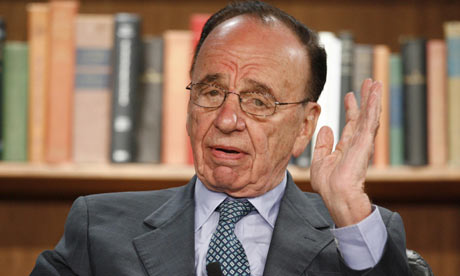
http://www.guardian.co.uk/medi
Leading the charge Chris Tryhorn The Guardian, Monday 11 May 2009 Article history
When Rupert Murdoch indicates a shift in strategy, the rest of the media industry takes notice. So the News Corp boss's clear signal last week that his newspapers, such as the Sun and the Times, could start charging for online access over the next year gave fresh momentum to a debate that is dominating internal newspaper discussions. "The inchoate (not yet fully formed; rudimentary; unorganized; incomplete) days of the internet will soon be over," Murdoch pronounced, citing an "epochal" debate in the industry. Having flirted with the idea of turning the Wall Street Journal website free before realising he had bought one of the world's few newspaper sites that makes money, Murdoch has come down in favour of online charging. For a long time many journalists have been bemused and frustrated that their work merits a price in one medium but is given away free in another. Carolyn McCall, the chief executive of Guardian Media Group which publishes MediaGuardian, believes publishers need to think about where they might be able to charge in the future. "There's no review of the charging model, there's no formal kind of agreement that we should be charging at all, but it would be wrong not to think about what we would do in the future," she says. Charging for business-to-business content, however, is a "no-brainer", says McCall, who led GMG's acquisition of Emap's B2B operation on the strength of its capacity to generate digital revenues. The model supporting so-called business-to-professional sites, such asMediaGuardian.co.uk, is "something we need to keep revisiting". But, in general news, the presence of the BBC makes charging impossible: "You basically have a fully funded and publicly funded news organisation on your doorstep. How can you compete with that?" The BBC is what makes all newspaper executives think twice when it comes to making the internet pay. It has played its part in creating the notion that news should be free, which stands as a barrier to introducing any element of pay to newspaper websites. Until now, the most important aim for newspapers has been to grow online readership: the higher a site's unique user numbers, the more advertising it could hope to sell. And the numbers have been impressive – titles used to falling paper sales now have millions of new readers. There is no doubt that online readership has massively extended the reach of British newspapers. Indeed, the combined online audience for the seven audited UK national newspaper networks – the websites of the Guardian, Times, Telegraph, Independent, Mail, Sun and Mirror – peaked in January at around 140 million unique users, when Guardian.co.uk hit a record of 29.8 million. It has tailed off very slightly since then, the first sign that online readership may have reached a plateau now that broadband access has become so widespread and online habits more settled. To some extent, revenues have followed the trend for readership growth – but not fast enough to make up for the fall in print advertising. Trinity Mirror, for instance, reported that total digital revenues in 2008 grew by 27.1% to £43.6m. But they also represented just 5% of the group total, albeit an increase from 3.7% in 2007, at a time when overall revenues dropped by more than £60m. Advertisers have always seen a difference between consumers of print products who might be expected to spend considerable time reading them and looking at many of the adverts in the process, and a web user who may have merely strayed on to a web page by chance or as the result of making a speculative search. And even if online readership has yet to reach saturation point, some industry executives think that growing overall numbers may no longer make much difference to their ability to generate new revenues – although they will not find it easy, initially at least, to allow competitors to overtake their traffic figures. Not only is there a finite amount of money available for online advertising, but there are also many, many sites competing for the cash. Newspapers are wondering whether they backed the wrong horse by going for volume rather than subscription. The focus is now moving to the handful of pay models that have already been developed in publishing. The only British paper that has successfully introduced charging is the Financial Times which, seven years after doing so, has around 110,000 subscribers. A basic subscription to FT.com costs £2.99 a week – £155.48 a year – while a premium deal that includes mobile news and the Lexcolumn costs £3.99 a week, or £207.48 a year. At less than a third of the £650 cost of buying the print FT every day, and less than half the £468 required to take out a print subscription, the online deal looks like bad business for the company. But RobGrimshaw, the managing director of FT.com, says the cost of online distribution is far less than printing and distributing a paper. "Online, the marginal cost of adding a new subscription to FT.com from anywhere in the world is pretty much zero. Once you look at it from that aspect, the online business model is extremely favourable. You don't tend to make nearly as much revenue as print but you make the same profit or even more profit." But without the FT's business niche to target, can other papers charge for content? The fear is that their product is too disposable and substitutable – with multiple versions of the same story online. "Consumers aren't stupid," says Grimshaw. "If they can find something for free they won't pay for it." Then there is the problem of how to charge. Rather than relying on a subscription model, a solution could involve micropayments – although there is no consensus on how much they would be. Newspapers will have to ensure that whichever system they use is efficient and easy, like Amazon or iTunes. Indeed, newspapers look hopefully towards these other areas of the media where a pay model has already been introduced. The music industry, after its crippling battle against piracy, has finally found a way to sell digital content, albeit at a discount compared with CD sales. The broadcasting industry offers a less clear picture. The principle of paying for TV, mainly on the back of premium content, has become enshrined after 20 years of Sky, and on-demand viewing through subscriptions has become popular. But there is little evidence that people are willing to go online and pay for individual programmes. The success of the licence-fee funded BBC iPlayer has encouraged ITV to follow suit with a free, ad-funded model, while Channel 4's 4OD service has shifted away from pay-per-view since launching in 2006. Project Kangaroo, the three free-to-air broadcasters' attempt to develop an online home where they might have sold their programmes, was thwarted by competition concerns. (Equally, if newspapers were to make a collective decision to charge for content, which would avoid losing market share to other titles that remained free, there might be similar concerns.) Perhaps the best hope for newspapers is technological. In the same way that the iPod helped sales of digital music, newspapers hope that there is a device on its way to make the online paper seem more valuable than it does on a computer screen. Some newspaper groups are believed to have had discussions with Amazon about getting their product on to the Kindle reader, a new version of which was launched in the US last week by Jeff Bezos (pictured left). But few believe these first-generation digital readers represent an iPod moment. Murdoch last week hinted at some of the work News Corp has been doing. "We are looking at lots of things, models for charging, mobile readers," he said. "I don't believe in the Kindle model but I do think it is very interesting that people are going to that and to their BlackBerrys to view content." In two years' time he hopes that charges for online content will produce digital revenues that make up for newspapers' print losses. That may be optimistic, but there is no doubt the recession has concentrated minds on moving out of the free era. "There are not many companies out there that make a successful living by giving away their product for free," says Grimshaw. "In the future, quite a lot will be written about how an entire industry managed to persuade itself that it would be smart to give away its product to everybody."
Media
Murdoch lobbied for ability to buy Five 4 January, 2005
Damian Thompson Damian Thompson is Blogs Editor of the Telegraph Media Group.
That James Murdoch speech in full
Hello. It’s a disgrace, you know, that the state funds the BBC to provide consumers with free online journalism. And other news organisations? They don’t charge either. So the consumer has the choice of (a) free state-funded websites or (b) free commercially funded websites. Whatever happened to a free market that actually gives people what they want at a price they can afford? ’m happy to confirm, therefore, that News Corp is introducing a third option for internet users: c) the same stuff you can get free, only you pay for it. hank you.
Comments: he thing is, this is the real current situation:
You want to watch the BBC? You pay for it. ou don’t want to watch the BBC? You pay for it. better, common sense idea would be: ou want to watch the BBC? You pay for it.
You don’t want to watch the BBC? You don’t pay for it.
amian, I’m sure we all look forward to, in a recession, paying for something we can get for free just a couple of mouse clicks away.
Joking aside, Murdoch senior’s belief that he can beat the internet and turn the clock back to the days when we had to pay to read journalism is surely a sign of the his advance into confused old age.
Newspapers will continue to decline in sales and relevance over the coming years, and attempting to replicate the same business model online – outside of niche markets – is doomed to failure.
The thing that really impresses me is that he thinks he can charge money for Murdoch-style content (I hesitate to call it ‘news’). here is an excess of right wing fantasies, sleazy gossip items and bare-breasted women on the internet for free already. Murdoch would say that, wouldn’t he? He seems particularly miffed by the BBC’s presence on the internet. The BBC happens to be doing that rather well. I am happy to pay my licence fee for the BBC’s services. However, that does not mean that some ways in which the BBC is managed cannot be improved. Murdoch has subscription TV tied up and should be content. Nobody owes big business a living. It would be foolish of this government or the next to heed Murdoch and come to the aid of an organisation that already has too much influence on the printed media. Murdoch would say that, wouldn’t he? He seems particularly miffed by the BBC’s presence on the internet. The BBC happens to be doing that rather well. I am happy to pay my licence fee for the BBC’s services. However, that does not mean that some ways in which the BBC is managed cannot be improved. Murdoch has subscription TV tied up and should be content. Nobody owes big business a living. It would be foolish of this government or the next to heed Murdoch and come to the aid of an organisation that already has too much influence on the printed media. BBC is not State funded, it is funded out of public subscription, its on-line service is paid for out of that – it is therefore not “free”. (International on-line access carries advertising to pay for it.) Sky News is free to air and its news website has free access. Clearly these are paid for by Sky subscribers and advertisers, yet non-subscribers can benefit. Strange then the Dirty Digger takes a different view about his print media.
@jamika you are paying for the option to watch/not watch the BBC – up to you whether you exercise it. Of course you have no option but to have the option, and pay for it.
However I do think your proposal has some merit if applied to the WeHeartTheNHS. Yes, yes I know… the poor and the poor pensioner, but they watch the BBC too… or not. I had to check the calendar and was surprised that it wasn’t April 1st. Clearly Murdoch is moving beyond satire. ‘News journalism’, ‘quality’ from the purveyors of Fox? Poor deprived News Corp calling a state funded organisation ‘greedy’. And still praying at the altar of PROFIT after the crunch. I’m stumped. thingy – My God, you’re right. Imagine any business wanting to make a PROFIT during a recession. I don’t think anything would change for newspapers if they were to reimpose subscription walls and even if there were no longer a BBC website. I buy papers because they’re easier to read in print than on the web. I mostly don’t read them online: they’re awkward to read that way. Nothing would change for me if subscription walls were introduced. I wouldn’t pay – just as people who are not newspaper readers won’t pay. What I might pay for (a little like paying for Itunes) isan article of exceptional interest to me in the New Yorker, The NY Review of Books, even The Catholic Herald. But I would not sign up to individual websites for cash. I might, though, sign up to an online syndication service for £100 a year allowing me to graze through many sources. As to the BBC, it’s a distraction in all of this. There’s no BBC equivalent in North America; yet the situation for newspapers there is the same. My own take on this. I resent the licence fee of course but…… for the licence fee I get to watch the BBC (sometimes bad, often good, sometimes excellent) and other free to air channels (the odd gem in the rubbish). I also pay a cable subscription which is four times the licence fee and gives access to about 80 channels – mainly dross – plus all the Sky channels. I justify this on the grounds that I want to watch the sport (less and less these days) and the movie channels (rarely). Sky One is just US shows plus domestic rubbish. My wife is beating me about the head to dump the expensive cable channels and I think she is right. We live in France We watch quite a few news channels.
The BBC News (TV)is the least informative. It is very parochial and sometimes so trivial that it could hardly be called a national service.
With the Net I can wonder around sites reading anything that is there. A half an hour news programme on TV is truthfully a waste of time. I think the BBC should withdraw from News programmes altogether. “…free state-funded websites…” Firstly, it isn’t “free”. It costs me £147.50 per year [including what the BBC calls "the small charge of £5" to pay by Direct Debit]. Secondly, it isn’t “state-funded” either. It is funded by a specific, mandatory tax which is called the Licence Fee and which is levied on all people who own TVs whether they watch, listen to or read the BBC’s output or not. Perhaps ‘Licence Fee payer-funded’ would be a better way of putting it. I have found the perfect way to avoid paying the licence fee: I won’t have a television in the house. This has the added benefit that I don’t waste my life watching the utter dross that constitutes televised content (I also find myself blissfully unable to fathom out who half of the micro-celebrities that seem to take up so much space in the Telegraph are).
BBC is cheaper than sky,but since it lost its independence,ie Some shop keepers daughter did not like its intelligent broadcasting she clipped her wings,so bbc has to become like the other moronric news channels,ie english ones the itv’s sky ,and ofcourse the other moronic news channel CNN london,so everybody is happy all round ,they supply the garbage ,the people are happy listening to crap,and the govt and people at the top are happy. The BBC does not have a newspaper, so why does it need a website competing with those of the newspapers? However, an attack on the very concept of the BBC is simply un-British, like an attack on the very concept of the NHS, or an attack on the very concept of the monarchy. It just sounds wrong, like mispronouncing a word. As, to British ears, Americans such as James Murdoch are wont to do from time to time. The license fee should be made optional, with as many adults as wished to pay it at any given address free to do so, including those who did not own a television set but who greatly valued, for example, Radio Four. The Trustees would then be elected by and from among the license-payers. Candidates would have to be sufficiently independent to qualify in principle for the remuneration panels of their local authorities. Each license-payer would vote for one, with the top two elected. The electoral areas would be Scotland, Wales, Northern Ireland, and each of the nine English regions. The Chairman would be appointed by the relevant Secretary of State, with the approval of the relevant Select Committee. And the term of office would be four years. You would not need to be a member of the Trust (i.e., a license-payer) to listen to or watch the BBC, just as you do not need to be a member of the National Trust to visit its properties, or a member of the Royal National Lifeboat Institution to be rescued by its boats. At the same time, we need to ban any person or other interest from owning or controlling more than one national daily newspaper. To ban any person or other interest from owning or controlling more than one national weekly newspaper. To ban any person or other interest from owning or controlling more than one television station. To re-regionalise ITV under a combination of municipal and mutual ownership. And to apply that same model (but with central government replacing local government, subject to very strict parliamentary scrutiny) to Channel Four.
davidaslindsay@hotmail.com; ht
As much as anything, Murdoch’s point is that the BBC is not subject to any commercial disciplines and can effectively predate on anyone it chooses supported by a virtually unlimited supply of money. Along with the government and local authorities it is the only body that can dip its hand into the public pocket and demand money without any guarantee of any particular service in return.
If BSkyB produces rubbish I stop paying for it; at the present time I think my £20 a month is (on balance) a reasonable deal for what I get (especially as if I want decent drama on ITV I have to use the satellite since STV decided to opt out of the national network stuff). If the BBC produces rubbish — which it does a lot of the time — and pays indecent sums of money to 50-year-old adolescents simply to be “edgy” whatever that means, I still have to keep on paying for it.
And though there is nothing on commercial radio to compare with Radio Four there is a lot that compares with Radio One while it is hard to work out why the BBC needs four television channels (excluding its two children channels + 24-hour news) when it fills its daytime schedule with wall-to-wall stuff from the afore-mentioned children’s channels + voyeurism (which is what sniffing round other people’s houses and their possessions is)and the evenings with soaps and more voyeurism (which is what the fly-on-the-wall and (un)reality programmes are).
If you want it, have it; but why should the rest of us pay for it.
David Lindsay has a point. I would happily subscribe to Radio Four and to the News and Parliament Channels; beyond that I will pay for one-offs like Crimewatch or University Challenge or some of the better documentaries that the Beeb used to do so well.
Others would have different priorities and good luck to them. The simple answer is to abolish the licence fee and introduce payment for each channel or service. Not blocks arbitrarily chosen, as with Sky, but each individual item. Equally Sky should be forced not to inflict moronic advertising on those who have already paid for its services. In other words, a level playing field, which would soon sort out what people really do want to watch, with complete control over what we pay for.
http://www.ifamericansknew.
From Alison Weir: Israeli Organ Harvesting The New “Blood Libel”? Alison Weir
Last week Sweden’s largest daily newspaper published an article containing shocking material: testimony and circumstantial evidence indicating that Israelis may have been harvesting internal organs from Palestinian prisoners without consent for many years….
Yeh, this town’s not big enough for two Labour party supporting media mouthpieces! The problem is much deeper than Murdoch. http://tinyurl.com/
James Murdoch would interrupt Test Match Special with adverts for pile cream and debt consolidation loans. That’s all you need to know about this ‘British’ citizen.. Peter51 wrote ‘My wife is beating me about the head …..’ Perhaps those Catholic priests who believe in celibacy and remaining single are right. beaton – “probably the most intelligent and considered comment…” : as a high priest of socialism, deigning to trawl the sewers of Conservatism for even the slightest hint of higher life form must be so trying for you.
Perhaps the Grauniad is more suited to your elevated sense of intellectual omnipotence. Wot Londiniensis wrote is claptrap and the word “snicker” is a red flag if ever there was one. I choose what to buy, and the market therefore determines the relationship between marketing expenditure and consumption.
The Licence is a Broadcasting tax and has absolutely no bearing on the consumer’s selection of content received. Websites are Narrow-casting and should be funded separately. Londiniensis: To offer the choice of BBC vs Murdoch, Turner et al is a distraction: if the BBC can’t be influenced by it’s actual and potential audience, then its funding mechanism is in need of re-engineering. That’s not too complex for most DT readers, but probably too real-world for you.
And yes, many people don’t give a fig for the BBC. It is anachronistic, self-serving and an agent of social engineering.
You may not mind other peoples’ money being spent on giving the world a free internet “resource”, and you may not mind other peoples’ money being spent on a socialist spin machine, but if you had to pay personally and directly for said resource, you would soon discover Opportunity Cost.
Rhetorical Question.
If I buy a product in a shop is it reasonable that I should pay twice for it? This is what the long suffering British taxpayer does with The BBC. First it is forced, by threat of law, to front up the licence fee. Then it is required to pay again to view the same content in the form of BBC products like DVDs, CDs etc. The BBC make a fortune from stuff the taxpayer has already been forced to fund. This doesn’t seem right to me, does it to you?
Would it not be fair to make all taxpayer funded BBC content, free? resulting in a higher licence fee and higher taxes and less direct responsibility to users? don’t know what Murdoch is proposing to do in the UK and I don’t quite understand this particular blog article, but how to make a profit off of the net has been discussed for years. In the U.S., of the major newspapers, the Wall Street Journal, now owned by Murdoch, is the only one that claims to be making a profit by being online and charging for it. (That started way before Murdoch bought it.) I think this might be called giving people what they want at a price they can afford. I own an internet business, and believe me, everyone who is on the internet is looking for a model that will work to charge for content. The internet user community takes for granted that all content should be available for free. But someone has created that content and needs to be paid for the time and effort, and it costs money to create and maintain a web site. Right now advertising is the source of revenue, but it is not enough and at some point, when they figure out a model that works, most web sites will charge. I am on the side of charging (even though as a user I also now enjoy the fact that most web content is available free.) because I understand the costs involved.
We all enjoy these blogs, but the DT is paying the bloggers, as well as a number of computer programmers and web site designers, and I doubt very much that the advertising displayed covers the cost. It has seemed to me that the very extensive programming that the DT has done to set up its blogs is all pointed in the direction of there at some point in the future being a fee for coming onto to these blogs. I’m not sure what the model would be, but one obvious one is that for the DT computers to recognize a user ID, the person having that ID would have to pay a certain sum, and would periodically have to pay to renew.
The Devil is complaining about Mephistopheles. And poor old Johan the master miller still isn’t taking his medication. That’s care in the community for you. To those who snicker about the licence fee, remember that every time you buy anything in a shop or supermarket you are actually paying a proportion to the commercial organisations who fund the advertising-funded other “free” television resources, which you also don’t watch.
Londoniensis, the cost of advertising falls into the “cost of sales” bracket and is pretty much a fixed overhead: when I buy something in a supermarket I am, no doubt, funding a host of depraved activities (not least those perpetrated by the public sector and funded out of VAT); the ultimate selling price is pretty much set by the market (the other players in the market keep the price of any good down); if the silly sausages wish to use some of their profit margin to pollute your mind with television, so be it.
At least by not paying the licence fee and not having a television I am choosing not to consume the dubious pleasures paid for out of advertising and/or a tax on the stupid. doomgloomboo
“The Taxpayer is paying through the nose to throttle private enterprise. This thoroughly unhealthy in a free enterprise society.”But privately-run enterprises are always superior to state-run enterprises. It is impossible that the creativity, efficiency and all-round superiority of the private sector could be impinged upon by a flabby, bloated, state-sector entity. You must be mistaken. Sorry for the supplementary, but if the supermarkets stopped funding the idiots’ lantern they would have a bigger margin that they could either pass on to consumers (in the form of lower prices) or the producers (I’m still old-fashioned enough to consider it a scandal that bottled water is priced at a higher level than milk – i.e. the farmer would have been better off bottling what’s in the troughs instead of going through that whole “cow process”). “I am happy to pay my licence fee for the BBC’s services. However, that does not mean that some ways in which the BBC is managed cannot be improved.” You pay for it. I don’t expect you to pay for my entertainment and education (however biased one way or the other). When the BBC is managed better and improved maybe I will change my mind and then want to pay a subscription. There should not be a forced subscription for the right to watch television. The license fee is a dilemma but who would have opted for the alternative of U.S. dross? The BBC for fear of its existance is politically dumbed down but had set standards of quality broadcasting for commercial stations to follow. TV shapes lives, not just news but materialistic commercials has turned us into shallow automatons, something SKY excels in. I have refused to pay The TV Tax for about 750 days
DominicJ Let me get this straight – you can go to jail for not paying money to watch tv? How is that possible?
As for daddy Murdoch as some archetypal Bond villain, ‘I suppose you expect me to talk, Goldfinger?’
‘No Mr. Bond just keep watching the screen’. Shooting’s far too romantic. The BBC isn’t free, virtually every household in the UK is required to pay £139.50 a year for it or face a jail sentence.
Future of Newspapers: eReaders? It would be an understatement to say we are living in changing times, revolution has called and Rubert Murdoch blew the final whistle. Murdoch has said that there is a plan to release a News Corp e reader which will be in direct completion to Amazon’s Kindle. The Kindle e reader allows books, magazines and newspapers to be wirelessly downloaded directly to the device. Downloading of newspapers, the digital subscriptions to newspaper, purchasing news content; these are all goals for the journalism industry. As I have shown before, the sales of newspapers have been dropping steadily every year. The cause of this problem is simple, ‘Why buy a newspaper when news is freely available online? Rupert Murdoch has called the end of free news content online. “The digital revolution has opened many new and inexpensive distribution channels but it has not made content free. We intend to charge for all our news websites.” All of his publications will need a subscription from next year to view content online. In some parts of the industry Murdoch has been met with criticism but most praise this move. We are living between two very different ages. One day (people my age) will be telling our kids of how, in the past, newspapers were printed on paper. You could access news content free online and how those good old days have now passed. It is easy for us as consumers to scoff and announce our total rejection of Murdoch’s money making scheme. I have to admit that paying to read The Sun online brings uncontrollable shakes of disapproval to my body. However, will paying for journalism online become a necessity eventually? If The Sun had an exclusive celebrity story, which could only be read from The Sun, would you be prepared to pay subscription? Alternatively you could buy The Sun newspaper and read the story that way. Murdoch’s scheme is money making but is also a method to heal the journalism industry. To give the industry a new breath of financial life and have it fuelled by costs other than advertising.
The BBC is technically already doing what Rupert Murdoch has proposed. Our license fee to the BBC could be viewed as a subscription cost to BBC News. The example fails for anybody who doesn’t purchase the license fee; views the BBC from abroad but the BBC do receive payment for their news services. There is no doubt that the BBC will be the mainstream content against other news sites offering subscription as the BBC provides content without subscription. The license fee dominates the market and with Murdoch’s subscription plan, other newspapers will eventually move the same way and the BBC will certainty come under attack and criticism.
I am utterly convinced that paying subscription for newspapers online will be:
- Only the first stages of reinventing journalism’s model
- A necessity for being the only way to one day view newspapers
In 1984 there were 1000 internet devices in the world. In 2008 the number of internet devices in the world rose to 1,000,000,000. The amount of digital devices in the world is constantly increasing and with this will change how the internet will be viewed. The internet will become increasingly handheld and the majority of the content on the internet will one day be viewed through our PDAs, Mobiles (if a conventional mobile still exists then) and e readers.
In the UK e readers have hardly penetrated our market yet. Sony primarily dominates but the majority of people are still sceptical about moving away from paper books. What I can see on the horizon is a Harry Potter scenario, where ink will move on the newspaper’s pages and now we have the technology to do that. eInk provides the technology for almost every e reader on the market. eInk essentially allows a digital paper display. This is achieved through positively and negatively charging ink molecules to change a position on a display. There is no glare from an e reader, it appears as paper and the battery is only needed when ink needs to change pattern. A charge is not needed for electronic ink to stand on a page. Due to this a single charge on a lithium battery will keep an e reader going for almost 2 weeks with heavy use. The Amazon Kindle, which is currently only available in America, does more than read eBooks though. It allows you to digitally subscribe to newspapers and magazines; this truly challanges newspapers. Why carry newspapers, magazines and books around with you when you could use a paper thin device to host them all? Whilst the Kindle only allows subscription at the moment other e readers will follow suit. Online subscriptions to newspapers won’t just be online. Eventually you will be able to subscribe monthly to receive newspapers on your e reader. So am I dreaming? Not really. Amazon is working very hard to get their Kindle e reader over to the UK following their success in the American market. As we speak Amazon are apparently sorting out subscription deals with newspapers, magazines and mobile operators. The technology for e readers is constantly improving and Sony (the current leading e reader in the UK) is releasing further additions to their e reader product line. Whilst e readers have not captivated a wide audience through the purchasing of digital books, I think they will change the way we read newspapers. I would like to believe that e readers will have an explosion of popularity this Christmas but alas I am an innovator. I will be buying the new Kindle when it comes out this Christmas, subscribing to newspapers and magazines but it may take longer for the majority of the public to catch up. I believe Murdoch is aware of the eNewspaper future. This might just be his first move, the industry’s first move, for properly accepting digital technology and journalism can work together.
Comments
Comment from chessie
August 9, 2009 at 11:10 am
Three fairly simple and straightfoward questions.
1.Will there be an attempt to make it illegal to talk about newspaper articles that are printed in media behind Rupert Murdoch’s pay wall? I don’t feel the need to elaborate further on this but it strikes me as the only way to guarantee for any length of time that his content stays anything like exclusive on the Internet.
2.Pay walls have been attempted repeatedly and failed every time. The Kindle is plagued with problems and limited functionality. Yes, it’s an amusing toy but does it provide connectivity in the same way a fully functional computer does? No. Does Rupert Murdoch propose to come up with his own E-reader which will suddenly not have all the problems a Kindle does and will also offer all of the functionality of a computer? Somehow I doubt it.
3.Murdoch’s media mega-empire died the second people were able to create their own content. Reversing it requires flat out stripping the Internet of the ability to transfer content between two people over the web. Sure, put it behind a pay-wall. Please. I don’t need to see another article about which celebrity stopped smoking this week and another heartwarming pair of re-united twins separated at birth.
If Murdoch genuinely wants to bring people to his sites, he’s got to provide something people want to see and do it conveniently. This is the Internet. Scarcity will be incredibly hard to create here and scarcity of stories about chicken slingshots, corrupt politicians, and other junk news will be impossible.
August 20, 2009 at 11:54 am
Comment from CeebeeHaving used various e readers on a Sony Clie (6 years ago that was cutting edge !) I find products such as mobipocket (Kindle) very intuitive and an excellent distribution medium. The draw back is the screen size on a pda or mobile ‘phone. The dedicted e-readers (and there are a good number) solve the screen problem and give a far more pleasant reading experience.
Once content can be downloaded from subscription sites the newspaper will finally die, the only cost the provider has is the intellectual process of journalism and those who remember the way Murdoch and co. dealt with the move from Fleet Street will have no doubt as to his determination to achieve the new distribution method .
All objections that mobiles are the long term future are misguided – would you really want to stare at an iPhone screen for an hour to read content ?- and the only way to get anything approaching quality journalism is to pay so the kindle route is IMHO the first step on a road which will surprise us all as much as mobile technology has.
Pingback from Google offering over a Million eBooks for Download | Musings of a PR Student August 27, 2009
We're no thieves – despite what Rupert Murdoch claims, says Google
Search engine is like a 'virtual newsagent', says Google's UK director following accusation that it steals content Chris Tryhorn guardian.co.uk, Thursday 3 December 2009 16.55 GMT Article history
Matt Brittin, the director of Google UK, insisted that publishers had control over how their material appeared on the controversial aggregation service Google News, likening it to a "virtual newsagent".
"We do not steal content. If you look at Google search and Google News what you will find is snippets, a little line that will take you through to the original websites," he told MPs on the Commons culture, media and sport select committee.
"That's accepted as in line with copyright law worldwide, seen as like a newspaper article quoting lines from a book in a book review. We defend copyright owners' rights and it's wrong to paint us as stealing content. We are like a virtual newsagent."
Brittin's appearance at parliament coincided with a similar defence of the company by Google's chief executive, Eric Schmidt.
Writing in the Murdoch-owned Wall Street Journal, Schmidt said Google was not to blame for the news industry's problems and wanted to help news publishers to prosper.
"With dwindling revenue and diminished resources, frustrated newspaper executives are looking for someone to blame," he wrote.
"Much of their anger is currently directed at Google, whom many executives view as getting all the benefit from the business relationship without giving much in return. The facts, I believe, suggest otherwise."
Schmidt said ads appearing alongside news articles on Google contributed a "tiny fraction" of the company's overall revenue.
In his evidence to MPs, Brittin pointed out that Google News did not carry any advertising in the UK, while search results for news stories tended not to create opportunities for advertisers.
He said that whereas a search for "hotel in Paris" lent itself to a commercial exploitation, entering the term "bomb in Baghdad" was unlikely to attract advertising.
However, many in the newspaper industry believe that even if Google makes little money from news-related searches, it relies on an abundance of high-quality, professionally produced content to maintain its appeal as a search engine.
Google has come under sustained attack recently from Murdoch, who is preparing to introduce online charging at all his newspapers worldwide, including the Sun and the Times in the UK.
While Murdoch renewed his assault this week at a US media regulators' workshop in Washington, Google has made its first concession to news organisations' criticisms.
The company has changed the way Google News works to restrict users' ability to bypass the paywalls of online newspapers that charge subscriptions, such as the Wall Street Journal and the Financial Times.
Brittin said Google gave news publishers freedom to use its services as they saw fit and that by providing 100,000 clicks a minute offered them the online traffic they wanted.
"Publishers have control, they choose to make content available for free online," he added. "They have control now and have always had control to allow them to opt out. They can say, 'I don't want to appear in Google search or in Google News or in one and not the other'.
"They choose to stay and have content discoverable because they find it helpful to have huge numbers of people coming through to their content."
More publishers would experiment with paywalls, he predicted, while others would stick with a free, ad-funded model.
Brittin, who worked as director of strategy and digital at Daily Mirror publisher Trinity Mirror before joining Google in 2007, said that the local newspaper industry were going through a "difficult transition" in part because the internet had diminished the value of print advertising.
But he rejected the accusation that Google "poached" newspapers' advertising. "That implies a feeling of ownership of advertising [by newspapers], which perhaps isn't the way advertisers would see it," he said.
Brittin added that he cared about local papers and saw a "sustainable and successful future for local media over the medium to long term", pointing out that digital technology reduced the cost of distributing content.
"The economics are going to be different from a time when the only place to advertise was in your local paper. But I think there's an exciting future."
• To contact the MediaGuardian news desk email editor@mediaguardian.co.uk or phone 020 3353 3857. For all other inquiries please call the main Guardian switchboard on 020 3353 2000. If you are writing a comment for publication, please mark clearly "for publication"
International News Limited's Domain Pricing Per Year com* $9.99 .net* $9.99 .org* $9.99 .us* $9.99 .biz* $9.99 .ws* $9.99 .name* $9.9
My Wijat and His Team, are now in the USA, as Superman is retired, they are here for the American people, fighting for Truth Justice and the American Way. Not quite as fast as Superman, but be assured the W (Weekend News) I (Investigative) J ( Journalism) A (Action) T (Team)
WIJAT will leave no stone unturned when it comes to investigating Pollies and Powerbrokers, to help the average American in fighting for Truth Justice and the American Way
with free 5 page web hosting and web building software for dumies video picture music up loading and much more USA WEEKLY NEWS Great world news links, hard hitting news and features
Easy To Find Hard to Leave Click here for usaweeklynews.com Informative, Intertesting, Entertaining and Real News http://usaweeklynews.com/Home_Page.php USAWeeklyNews Easy To Find and Hard To Leav
Visit International News Limited for the best values on: domain names-domain transfers
INLNews YahooMail HotMail GMail AOLMail USA MAIL
Mr Wijat and Rupert Murdoch Go head To Head


The 2008 New York International Theater, Film & Arts Festival
International News Limited's Domain Pricing Per Year com* $9.99 .net* $9.99 .org* $9.99 .us* $9.99 .biz* $9.99 .ws* $9.99 .name* $9.9
OUTFOXED: Rupert Murdoch's War on Journalism -- Trailer

Truth Justice and the American Way Remember, You can play with a wijat, You can dance with a wijat, But you can't stand on a wijat's toes


A MESSAGE FROM MR WIJAT
If you want the last laugh on pollies & powerbrokers, SEE YOU SOON in The Adventures of Mr Wijat, Erf the Worm, Super Hero Al, and marvelous Marvin exclusive to the
with free 5 page web hosting and web building software for dumies video picture music up loading and much more USA WEEKLY NEWS Great world news links, hard hitting news and features
Easy To Find Hard to Leave Click here for usaweeklynews.com Informative, Intertesting, Entertaining and Real News
http://usaweeklynews.com/Home_Page.php USAWeeklyNews Easy To Find and Hard To Leave






| |
Rupert Murdoch Admits He Tried to Shape Public Opinion on the Iraq War during an otherwise smug and elitist conversation at the DAVOS WORLD ECONOMIC FORUM which took place in Rupert Murdoch Admits He Tried to Shape Public Opinion on the Iraq War during an otherwise smug and elitist conversation at the DAVOS WORLD ECONOMIC FORUM which took place in January 2007. Murdoch met in forum with host Charlie Rose, Israeli Vice Prime Minister (& Foreign Affairs Minister!) Tzipi Livni. Also there was Rt Hon GORDON BROWN MP Chancellor of the Exchequer in the UK-- whom Charlie Rose announced during the meeting to be who "everyone expected to be the next Prime Minister." Alex Jones 9/11 Infowars Economic World Forum Davos Switzerland Globalization Government Fox Rupert Murdoch Iraq Bush PR (more) (less) |
Views: 21,523 Added: 9 months ago |
Tags: Alex Jones 9/11 Infowars Economic World Forum Davos Switzerland Globalization Government Fox Rupert Murdoch Iraq Bush PR Time: 01:33 |
More in News & Politics |
| |
A Bill Moyers essay on Rupert Murdoch and The Wall Street Journal. PBS: Friday, June 29, 2007 at 9PM (Check Your Local Listings at: A Bill Moyers essay on Rupert Murdoch and The Wall Street Journal. PBS: Friday, June 29, 2007 at 9PM (Check Your Local Listings at: http://www.pbs.org/moyers/journal/about/airdates.html All Shows are Available Online at: http://www.pbs.org/moyers (more) (less) |
Views: 52,547 Added: 5 months ago |
| Time: 03:52 | More in News & Politics |
| |
Stop Rupert's Next Move at http://www.freepress.net/murdoch...Rupert Murdoch Wall Street Journal media concentration newscorp news corporation freepress moyers |
Views: 14,906 Added: 4 months ago |
Tags: Rupert Murdoch Wall Street Journal media concentration newscorp news corporation freepress moyers mcchesney Time: 03:22 |
More in News & Politics |
| |
JUNE 28, 2007 KEITH OLBERMANN...pot brownies olbermann comment rupert murdoch habeas corpus blair gay military rove gonzales bush cheney iraq |
Views: 4,313 Added: 5 months ago |
Tags: pot brownies olbermann comment rupert murdoch habeas corpus blair gay military rove gonzales bush cheney iraq Time: 05:56 |
More in News & Politics |
| |
Keith Olbermann on Rupert Murdoch MySpace...Keith Olbermann Rupert Murdoch MySpace Fox News Bill O'Reilly countdown my space |
Views: 1,439 Added: 5 months ago |
| Time: 02:11 | More in News & Politics |
| |
An hour with News Corp. Chairman and CEO Rupert Murdoch. He talks about global media, politics, technology, the future of entertainment, and more. An hour with News Corp. Chairman and CEO Rupert Murdoch. He talks about global media, politics, technology, the future of entertainment, and more. (more) (less) |
Views: 1,716 Added: 3 months ago |
| Time: 56:44 | More in News & Politics |
| |
Rupert Murdoch, the Antichrist.mp4...Rupert Murdoch the Antichrist.mp4 |
Views: 459 Added: 5 months ago |
| Time: 03:34 | More in News & Politics |
 |
Rupert Murdoch addressing the Digital Hollywood Media Summit in New York 8 February 2007....Rupert Murdoch Fox Digital Hollywood New York News International |
Views: 1,696 Added: 10 months ago |
| Time: 06:18 | More in News & Politics |
| |
I discuss the changes in Vistas licencing scheme that may have a serious effect on the hobbyist. I also talk about Ubuntu, and explain how to get free I discuss the changes in Vistas licencing scheme that may have a serious effect on the hobbyist. I also talk about Ubuntu, and explain how to get free professionally minted disks for the asking. (more) (less) |
Views: 8,319 Added: 1 year ago |
| Time: 07:30 | More in Howto & Style |
| |
Don't let the corny opening fool you, this is surely the most hilarious cat video you will ever see in your life. Rate high, cause Don't let the corny opening fool you, this is surely the most hilarious cat video you will ever see in your life. Rate high, cause there's never gonna be another one like this! THE CAT ON THE FAN IS FINE. In fact, it's more than fine, it doesn't even exist. It was a computer-gernerated video made for some commercial. I think Nokia. THE MUSIC is from another very popular video called "guitar" by funtwo. Other sources say that the original song was actually by some guy named Jerry C. Either way, the song is called Canon, and I've been told you can find it on uTorrent. Please stop asking me. This is all I know. If you have a problem, write your congressman. I'm sure he'd be glad to help. THIS VERY IMPORTANT TO CONTACT ME!!! SEND ME A MESSAGE. I DO NOT ACCEPT RANDOM FRIEND REQUESTS. IF WE GET TALKING AND YOU SEEM COOL I'LL ADD YOU. I DO NOTACCEPT IF YOU DO NOT MESSAGE ME FIRST. I do this to make sure i don't befriend a bot or something, and to keep my friends list to a resonable amount. But I like meeting new peeps so don't be discouraged to say hey, even if i rejected ur request before. Chances are i won't even remember. (more) (less) |
Views: 747,445 Added: 10 months ago |
Tags: cats catz retarded funny spastic fan canon guitar crazy stupid funniest cat video ever hilarious afv Time: 03:12 |
More in Pets & Animals |
| |
political satire...satire political humor Hillary Clinton |
Views: 704,464 Added: 4 months ago |
| Time: 01:47 | More in News & Politics |
| |
The released interviews from the documentary 'Outfoxed, Rupert Murdoch's War on Journalism'. The film provides an in-depth look at Fox News and the dangers The released interviews from the documentary 'Outfoxed, Rupert Murdoch's War on Journalism'. The film provides an in-depth look at Fox News and the dangers of ever-enlarging corporations taking control of the public's right to know. See for yourself how media empires, led by Rupert Murdoch's Fox News, have been waging war against journalism and independent news. Produced and Directed by Robert Greenwald. (download the interviews for your own use here: http://www.outfoxed.org/Clips.php) (more) (less) |
Views: 10,338 Added: 6 months ago |
Tags: outfoxed rupert murdoch fox news propaganda war journalism fascism network corporatism mediatocracy freedom information Time: 09:42 |
More in News & Politics |
| |
big loop...line rider loop linerider jump big shark extreme |
Views: 49,019 Added: 1 year ago |
| Time: 00:42 | More in Entertainment |
| |
Ted Turner on North Korea...Ted Turner North Korea |
Views: 20,982 Added: 1 year ago |
| Time: 00:57 | More in News & Politics |
| |
RUPERT MURDOCH AND HIS BID TO RULE THE MEDIA....MSNBC COUNTDOWN |
Views: 1,103 Added: 5 months ago |
| Time: 05:43 | More in People & Blogs |
| |
Fox News Channel May 1, 2007...rupert murdoch |
Views: 1,129 Added: 7 months ago |
| Time: 05:02 | More in News & Politics |
| |
Billionaire tyrant Rupert Murdoch explains the writer's strike. Support the writers. Sign the petition here-- http://www.unitedhollywood.com Download daily Billionaire tyrant Rupert Murdoch explains the writer's strike. Support the writers. Sign the petition here-- http://www.unitedhollywood.com Download daily Catch and Release Comedy™ political cartoons to your mobile phone or iPod at http://www.headzup.tv (more) (less) |
Views: 3,891 Added: 3 weeks ago |
Tags: writers strike rupert murdoch fox united hollywood filipowicz headzup heads up mobile cell phone mms messaging parody Time: 00:28 |
More in News & Politics |
| |
Oct.11 - Keith reveals the bush administrations truest innermost feelings of Christianity. Of course we all knew that already. bush and most of his staff are Oct.11 - Keith reveals the bush administrations truest innermost feelings of Christianity. Of course we all knew that already. bush and most of his staff are skull and bones, a satanic secret society at yale university. (more) (less) |
Views: 119,288 Added: 1 year ago |
| Time: 06:31 | More in News & Politics |
| |
The released interviews from the documentary 'Outfoxed, Rupert Murdoch's War on Journalism'. The film provides an in-depth look at Fox News and the dangers The released interviews from the documentary 'Outfoxed, Rupert Murdoch's War on Journalism'. The film provides an in-depth look at Fox News and the dangers of ever-enlarging corporations taking control of the public's right to know. See for yourself how media empires, led by Rupert Murdoch's Fox News, have been waging war against journalism and independent news. Produced and Directed by Robert Greenwald. (download the interviews for your own use here: http://www.outfoxed.org/Clips.php) Check out my playlists for more documentaries. (more) (less) |
Views: 19,679 Added: 6 months ago |
Tags: outfoxed rupert murdoch fox news propaganda war journalism ron paul network corporatism mediatocracy freedom information Time: 10:01 |
More in News & Politics |
| |
Views: 1,231,671 Added: 8 months ago | |
| Time: 03:03 |
| |
Australia's possible future leader Kevin Rudd meets with Ruport Murdoch, ironically days after Murdoch's papers and news agencies slammed Rudd over the Anzac Day dawn service fiasco. Recorded Australia's possible future leader Kevin Rudd meets with Ruport Murdoch, ironically days after Murdoch's papers and news agencies slammed Rudd over the Anzac Day dawn service fiasco. Recorded live from Sky News Australia (more) (less) |
Views: 930 Added: 7 months ago |
| Time: 01:23 | More in News & Politics |
 |
Seven News on the Tram Extension Test...Seven Network Channel 7 News Adelaide Tram Extension |
Views: 346 Added: 3 months ago |
| Time: 01:21 | More in News & Politics |
 |
The released interviews from the documentary 'Outfoxed, Rupert Murdoch's War on Journalism'. The film provides an in-depth look at Fox News and the dangers The released interviews from the documentary 'Outfoxed, Rupert Murdoch's War on Journalism'. The film provides an in-depth look at Fox News and the dangers of ever-enlarging corporations taking control of the public's right to know. See for yourself how media empires, led by Rupert Murdoch's Fox News, have been waging war against journalism and independent news. Produced and Directed by Robert Greenwald. (download the interviews for your own use here: http://www.outfoxed.org/Clips.php) Check out my playlists for more documentaries. (more) (less) |
Views: 11,547 Added: 6 months ago |
Tags: outfoxed rupert murdoch fox news propaganda war journalism fascism network corporatism mediatocracy freedom information Time: 10:23 |
More in News & Politics |
 |
My Master's Thesis Animation, which I completed while I was at The School of Visual Arts, MFA Computer Art, in New York City. Created using Maya My Master's Thesis Animation, which I completed while I was at The School of Visual Arts, MFA Computer Art, in New York City. Created using Maya, After Effects, and rigged using The Setup Machine by Anzovin studios. If you would like to download there is a small version at my website: www.donysanimation.com The music is orginal and is by Tim Cassell, someone I went to highschool with. The music is available here: http://donysanimation.com/01KiwiThemeA.mp3 http://donysanimation.com/02KiwiThemeB.mp3 Alot of people have been emailing me asking a whole lot of questions. Maybe you can find some answers here: http://www.isfat.com/happyjunk/kiwi.php Everyone thank you so much for your compliments and kind words! http://www.savethekiwi.org.nz Rate Kiwi! on IMDB! http://www.imdb.com/title/tt1051713/ (more) (less) |
Views: 13,573,540 Added: 1 year ago |
| Time: 03:09 | More in Film & Animation |
 |
News Corp. head Rupert Murdoch talks about the Democrats' boycott of Fox News as well as his bid to buy Dow Jones....murdoch fox_news |
From: bigpebble47 Views: 729 Added: 7 months ago |
| Time: 03:01 | More in News & Politics |
 |
Jon Fine and Michael Wolff discuss Rupert Murdoch's bid to buy Dow Jones and the Wall Street Journal....media news vanity fair business week rupert murdoch wall |
From: mediabistro Views: 216 Added: 6 months ago |
| Time: 10:21 | More in News & Politics |


Click on the above photo to see the promotional video for Myspace! The Musical!


Powerful newspaper baron Rupert Murdoch celebrates his birthday with Sir Alan Sugar Murdoch’s babbling, incoherent friend; and unexpected and unwelcome party guest???...............
a shadowy, ambiguous figure named Facebook.
Click here to seen video clip of Detective Bill Monthly and the beautiful, but deadly Lilly Allen, as assassin in the employ of powerful newspaper baron
Rupert Murdoch Myspace!! The Musical!!
Dow Jones -does deal impact New York Locals? From: martha04032
 F**k rupert murdoch!!! K.O.'d From: RobUniv


Murdoch / NewsCorp / FOX News Buys Wall Street Journal From: jziegler83
Re: Who Runs the US Media? From: tictictelebootic



Time: 03:01
More in News & Politics

Time: 02:09
More in News & Politics
headzup
Views: 3,869
Added: 3 weeks ago
More in News & Politics

reutersvideo
Views: 1,291
Added: 4 months ago
Time: 02:17
More in News & Politics
More in News & Politics

|
|
Democratic Presidential candidates answer a question on media concentration and democracy at the Yearly Kos 2007 in Chicago on August 4, 2007...media concentration reform democratic presidential
|
Views: 262 Added: 4 months ago |
| Time: 03:01 | More in News & Politics |
|
|
Rupert Murdoch is on the verge of clinching his bid to buy Dow Jones after several members of the controlling Bancroft family decided to back the deal.
|
Views: 586 Added: 4 months ago |
| Time: 02:09 | More in News & Politics |
|
|
Billionaire tyrant Rupert Murdoch explains the writer's strike. Support the writers. Sign the petition here-- http://www.unitedhollywood.com Download daily (more)
|
Views: 3,869 Added: 3 weeks ago |
|
Tags: writers strike rupert murdoch fox united hollywood filipowicz headzup heads up mobile cell phone mms messaging parody
Time: 00:28 |
More in News & Politics |
|
|
Jul. 26 - US stocks suffered one of their biggest losses of the year, as part of a global sell-off, led mainly by worries tied (more)
|
Views: 1,291 Added: 4 months ago |
| Time: 02:17 | More in News & Politics |
|
|
http://www.outfoxed.org/ Outfoxed documentary about Fox News from producer/director Robert Greenwald...outfoxed rupert murdoch's war on journalism robert
|
Views: 112,837 Added: 1 year ago |
|
Tags: outfoxed rupert murdoch's war on journalism robert greenwald brave new films documentaries fox news
Time: 02:27 |
More in News & Politics |
|
|
One of the funniest introductions to a character i have ever seen. From the classic movie Wall Street....Wall Street Gordan Gekko Bud Fox Charlie Sheen
|
Views: 37,153 Added: 6 months ago |
| Time: 04:47 |
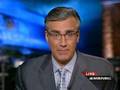
|
Keith lays down the law on rupert murdoch and the ny post, which may have impeded on an fbi investigation. Does rupert murdoch, who owns over a (more)
|
Views: 31,642 Added: 1 year ago |
| Time: 04:25 | More in News & Politics |
|
|
FCC Commissioner Copps says "Not so fast"-referring to the Dow Jones transaction-that what's good for shareholders isn't "always what's good for (more)
|
Views: 322 Added: 4 months ago |
| Time: 03:24 | More in People & Blogs |
|
|
An hour with News Corp. Chairman and CEO Rupert Murdoch. He talks about global media, politics, technology, the future of entertainment, and more. (more)
|
Views: 1,651 Added: 3 months ago |
| Time: 56:44 | More in News & Politics |
|
|
Rupert Murdoch addressing the Digital Hollywood Media Summit in New York 8 February 2007....Rupert Murdoch Fox Digital Hollywood New York News International
|
Views: 1,696 Added: 10 months ago |
| Time: 06:18 | More in News & Politics |
|
|
A Bill Moyers essay on Rupert Murdoch and The Wall Street Journal. PBS: Friday, June 29, 2007 at 9PM (Check Your Local Listings at: (more)
|
Views: 52,547 Added: 5 months ago |
| Time: 03:52 | More in News & Politics |
|
|
Australia's possible future leader Kevin Rudd meets with Ruport Murdoch, ironically days after Murdoch's papers and news agencies slammed Rudd over the Anzac Day dawn service fiasco. Recorded (more)
|
Views: 930 Added: 7 months ago |
| Time: 01:23 | More in News & Politics |
|
|
Media mogul Rupert Murdoch discusses his proposal to take over Dow Jones, despite opposition from the current owners, the Bancroft family. Comment at www.newshounds. (more)
|
Views: 3,921 Added: 7 months ago |
| Time: 10:14 | More in People & Blogs |
|
|
Rupert Murdoch, Chairman/CEO, News Corp....charlie_rose tvshow charlie_rose_archive
|
Views: 386 Added: 3 months ago |
| Time: 57:38 | More in News & Politics |
|
|
Billionaire tyrant Rupert Murdoch discusses his purchase of the Wall Street Journal. Download daily Catch and Release Comedy™ political cartoons to your mobile phone or ipod at http (more)
|
Views: 1,121 Added: 4 months ago |
|
Tags: rupert murdoch wall street journal fox news corp filipowicz headzup heads up mobile cell phone mms messaging parody
Time: 00:25 |
More in News & Politics |
|
|
Fox News Channel May 1, 2007...rupert murdoch
|
Views: 1,112 Added: 7 months ago |
| Time: 05:02 | More in News & Politics |
|
|
Yikes! The owner of FOX News Channel has offered the Bancroft family $60 a share for Dow Jones, parent company of the Wall Street Journal He wants to (more)
|
Views: 1,345 Added: 7 months ago |
| Time: 08:45 | More in People & Blogs |
|
|
The released interviews from the documentary 'Outfoxed, Rupert Murdoch's War on Journalism'. The film provides an in-depth look at Fox News and the dangers (more)
|
Views: 19,413 Added: 6 months ago |
|
Tags: outfoxed rupert murdoch fox news propaganda war journalism ron paul network corporatism mediatocracy freedom information
Time: 10:01 |
More in News & Politics |
|
|
Aug 1 - Now that Rupert Murdoch has achieved his decades-long goal of acquiring the Wall Street Journal and its parent Dow Jones, analysts wondered how the (more)
|
Views: 722 Added: 4 months ago |
| Time: 01:55 | More in News & Politics |
|
|
The repulsive propagandist, Rupert Murdoch, owner of newscorp & the horrific FOX News, has now engulfed The Wall Street Journal....rupert murdoch newscorp news
|
Views: 201 Added: 4 months ago |
|
Tags: rupert murdoch newscorp news corp fox wall street journal wallstreet countdown msnbc myspace keith olberman media nwo
Time: 00:29 |
More in News & Politics |
|
|
This is a part of the Documentary film Peace, Propaganda & the Promised...Cnn sky nbc cbs fox bbc abc aljazeera Islam Media TV Jewish Rabbis Yeshiva
|
Views: 2,366 Added: 8 months ago |
|
Tags: Cnn sky nbc cbs fox bbc abc aljazeera Islam Media TV Jewish Rabbis Yeshiva Israel arab palestine lebanon iraq bush hijab
Time: 08:33 |
More in News & Politics |
|
|
More videos at http://www.mmavlog.com/...muay thai fighting fight boxing martial arts kickboxing kickboxer knockout ko
|
Views: 2,486 Added: 3 weeks ago |
| Time: 00:44 | More in Sports |

|
The trailer for Oliver Stone's classic film, Wall Street starring Martin Sheen, Charlie Sheen, Daryl Hannah, and academy award winner Michael Douglas....wall
|
Views: 39,597 Added: 1 year ago |
| Time: 02:25 | More in Entertainment |
|
|
I just checked, searched all tags and the like. I managed to get the first ever review of the iphone up on youtube before anyone else, woot (more)
|
Views: 111,624 Added: 5 months ago |
|
Tags: World's first iPhone review OS X Apple smartphone iPod Walt Mossberg phone touch screen multi multi-touch wsj macflyfilm
Time: 05:39 |
More in Entertainment |
|
|
Wall Street Oliver Stone. Bud Fox Gordon Gekko in the limo discussing goals....Wall Street Bud Fox Gordon Gekko Money
|
Views: 38,340 Added: 1 year ago |
| Time: 00:36 | More in Entertainment |
|
|
Think Tom started myspace on his own? Think again, tom is not your friend! This is the second part of a two part documentary about the history (more)
|
Views: 30,821 Added: 6 months ago |
|
Tags: myspace documentary history chris dewolfe fox tom anderson unauthorized intermix media new monaco
Time: 07:00 |
News Flashes from
USA WEEKLY NEWS 
Great world news links, hard hitting news and features
Easy To Find Hard to Leave
Click here for usaweeklynews.com Informative, Intertesting, Entertaining and Real News http://usaweeklynews.com/Home_Page.php USAWeeklyNews Easy To Find and Hard To Leave
1. Dar Williams live at the Pleasance Bar, Edinburgh 21 November, 2009
2. Dar William live at the Borderline, London UK -18 November, 2009
3. DarWilliams says a little prayer to her fans after her Edinburgh Gig at the PleasanceBar 21 November, 2009:
Dar Williams with fans at the Pleasance Bar, Edinburgh, Scotland 21 November, 2009
Talented Scotish singer songwriter Adriana with Kathy..Dar and her Adriana's tour manager from Lonesome Highway Promotions
Dar Williams... New York's most loved hippy...Folk Rock Singer...
plays to packed audiences all of the United Kingdom at her UK November, 2009 Tour..
suppported by talented singer songwriters Adriana form Scotland and Lynne Hanson from Ottawa, Canada
Dar Williams is one of the true believers left in the world of "tell it as it is" ..as it was when she was at college during the good old "Hippy Days" where "honesty "and "The Truth is the Truth " was an expected norm, rather than rather than as it is now where "The Truth" has been replaced by what is called "political correctness".. The name of one of Dars first album's sums Dar's honest stanced on life aptly named "Honesty Room"...Dar Williams is a travelling "Honesty Room" when she sings and chats to her spell bound audiences that hang on to each spoken and sung word and musical sound that comes from Dar at all her performances...Dar Williams is never allowed to leave the stage without being demanded back at least three times untill Dar is so tired she just has to end it to go an have a cup of Organic Tea heated by a solar powered kettle...even though she was having trouble finding the sun while in Edinburgh in good old "Sunny Scotland" which Dar Williams describes as a city with so many beautiful things to get lost amongst..and may even end up dropping out there is later years when she makes her "Rock and Roll Millions".. Ha.Ha. Ha...as she says in great jest..as Dar Williams even though being one of the most talented people in the music business, would never swap her honesty and unwillingness to sell out to become just another Pop Singer for the money and the fame....Dar Williams in fact has a lot of trouble dealing with her new found world success as one of the greatest folk Rock singers this century ..
The USAWeeklyNews has been filming Dar Williams for the last few years all around the world and is in the process in producing a music documentary of DarWilliams
called "Honesty Room" which will premier on Australian Television and then around the rest of the world
Click here for more on Dar Williams and her successful United Kingdon Tour http://www.usaweeklynews.com/Dar_Williams_Live_4.php
INLNews.com Real Informative Entertaining News
International News Limited Domain Pricing Per Year com* $9.99 .net* $9.99 .org* $9.99 .us* $9.99 .biz* $9.99 .ws* $9.99 .name* $9.9
with free 5 page web hosting and web building software for dumies video picture music up loading and much more
News Flashes from USA WEEKLY NEWS Great world news links, hard hitting news and features
Easy To Find Hard to Leave Click here for usaweeklynews.com Informative, Intertesting, Entertaining and Real News http://usaweeklynews.com/Home_Page.php USAWeeklyNews Easy To Find and Hard To Leave
USA Weekly News Exclusivehttp://usaweeklynews.com/usaweeklynews.php
YahooMail HotMailGMail AOLMail MyWayMail CNNWorld IsraelVideoNs INLNs NYTimes WashNs AustStockEx WorldMedia JapanNs AusNs World VideoNs WorldFinance ChinaDaily IndiaNs USADaily BBC EuroNs ABCAust WANs NZNews QldNs MelbAge AdelaideNs TasNews ABCTas DarwinNs USA MAIL


Hillary Clinton is considered by New Yorkers as the people's politician. Hillary Clinton is respected and trusted by the American people and seen as strong but fair. Hillary Clinton looks set to create world history, to be the first woman to be elected as the President of the United States of America.
CLOSE-UP: HILLARY CLINTONvideos, In-depth: Clinton news, videos, photos, timeline, more ... Clinton on the issues: Iraq | Immigration | Health care | Education
HillaryClinton.com - Welcome Contact Us About Hillary Blog News Skip Signup Video Press Releases Join Team Hillary More results from hillaryclinton.com »
Draft Hillary Clinton For President
Join Our Movement To Elect Hillary Clinton President In 2008.
votehillary.org/ Hilliary Clinton seems determined to create a united, strong and positive United States of America when elected president of the United States of AmericaUSA WEEKLY NEWS 
Great world news links, hard hitting news and features Easy To Find Hard to Leave
Click here for usaweeklynews.com Informative, Intertesting, Entertaining and Real News http://usaweeklynews.com/Home_Page.php USAWeeklyNews Easy To Find and Hard To Leave



USA WEEKLY NEWS
Great world news links, hard hitting news and features
Easy To Find Hard to Leave
Click here for usaweeklynews.com Informative, Intertesting, Entertaining and Real News http://usaweeklynews.com/Home_Page.php USAWeeklyNews Easy To Find and Hard To Leave




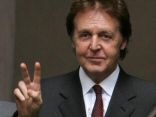


MAILI Womens Perming Arts Festival April,2009 Austin Texas


The Amazing Blues Singer Erin Jaimes live at Friends Bar every Tuesday Night, 6th Street, Austin Texas
Erin Jaimes has been compared to being a cross betweeb Janis Joplin and Susie Quotro with her own brand of soulful blues singing that leave you wanting more and more of Erin Jaimes.. the USA Weekly News are bringing ErinJaimes ot the Emerge Festival in 2010 to be held In Blackpool along with many more the the amaxing artists featured on Mr Wijat's 2009 Emerge Fest Collectors Music CD's please see http://wijatrecords.com/


Eilin O'Dea is Molly Bloom
One of Ireland's best actresses, Eilin O'Dea as Molly Bloom is coming to New York from 19th January 2008, for a very limited season, as part of the INL 2008 International Theatre Show (INL 2008 ITS). The show looks like being a sell out once the box office opens official ticket sales in December 2008
Eilin Odea as Molly Bloom bears her soul on life, love, sex and lonliness in James Joyce's Ulysses extract from the Paris 1922 Edition
Urgent message to current and future Website owners,
Your own personal or business Website....owned... built and hosted.... all for under $10 a year...hard to believe but true, have your own TV on your own Website just like the Madeleine McCann video
International News Limited's software for dummies makes it so easy...even a dummy like Mr Wijat can built his own Website
 Hi I'm Mr Wijat!! See you all soon in my favorite USA Newspaper
the USAWeeklyNews Easy to Find and Hard To Leave
http://www.usaweeklynews.com/Madeleine_McCann.php
Even a dummy like me built a Website and had it on the world wide web with in one hour, all with the help of my little greenie mate ERF the Worm who lent me the ten bucks to pay for the Website with free hosting,
free USA MAIL web address with my own web address rather than having the embarrassment of using a GMail HotMail
YahooMail etc for my worldwide exposing wrongful and immoral acts committed on ordinary people business
and free web hosting,,by the way anyone seen my little greenie mate ERF the Worm?
 Here I am Wijat, ERF The Worm is here!!!
Did you know that mad inventer mate of yours?
Marvin the Marvelous
also wants me to lend him 10 bucks so he can have his own Website to share all his inventions and crazy ideas with the with world
and he also says he will make good money by joining up to google adsence and partnering with google adds on his Website..
he does not have to do a thing..just place his Google Adsense Code on each of his web pages..Google send the adds and Marvin gets paid by his partner Google..Up till now Marvin has been relying on his MySpace pages to get his ideas out there...however he has woken
up to the fact that the owner of MySpace, Rupert Murdoch, the multi Billionaire Media Tyrant.. a member of George Bush's Builderberger Group, the Freemasons and the Council of Foreign Relations (CFR), who all want to control the world with a New World Order (One World Communist Government),
See: http://www.usaweeklynews.com/Obama_TheKittyThatRoared.php
starting with the North American Union of Mexico, USA and Canada, by controlling what every thinks, reads, hears and sees,
who owns MySpace..makes all the billions of dollars every time Marvin and his millions of friends click on MySpace everyday...
now
 Marvin and his friends can have their own Website and have their own Google AdSence Advertsing Revenue with
their advertising partner Google and use their MySpace and facebook and Bebo pages to let people know about their
own website name....all for 10 bucks... and advertising your own website on MySpace, Facebook and Bebo all for free also...
.soon Marvin and his friends will be making a good monthly income with their partner Google from their own Website...
Wijat, sometimes Marvin's crazy ideas make sense....
Hi, I'm Mr Wijat's Super Hero Life Saving Son, Al Wijat
I and my millions of Internet friends have just found out we have been ripped off by Rupert Murdoch the Billionaire Media Tyrant's MySpace. he makes the billions of bucks in advertising revenue every time me and my friends use MySpace..
now I am going to borrow 1o bucks form ERF the Worm and start my own web page, build it and update it myself with the user friendly Website building software for dummies and have it hosted for free with my own personal email address
with my Website name on it..that will impress the chicks for sure ..look if my dumb dad Mr Wijat can build a Website and have it hosted in the world wide web in one hour,, and he's old fool that never has used a computer before.. I and my millions
of Internet friends who have been brought up with computers can do it in half an hour.
Whether you want to start a business this year or just stay in touch with friends, a domain name is your key to the World Wide Web.
And with International News Limited, a domain name is a better value than you might think... have your own Website built and hosted with free Website building software for dummies like Mr Wijat..... .you can build and launch your own Website yourself within an hour and have your own USA MAIL email address with your Website name..Yes all for under $10 a year. How cool is that.... Every International News Limited domain includes FREE extras like:
Free Quick Blogcast, Free Complete Email, Free Website Tonight, Free Hosting, Free Forwarding, Free Masking,
Free Email Forwarding, Free Parked Page
Get your own corner of the Web! Visit International News Limited now and see for yourself how easy and affordable it is to have your own personal domain name.
Sincerely, International News Limited
International News Limited Domain Pricing Per Year
.com* $9.99 | .net* $9.99 | .org* $9.99 | .info* $9.99 | .us* $9.99 | .biz* $9.99 | .ws* $9.99 | .name* $9.99
Save even more on multi-year registrations!
Click here for usaweeklynews.com Informative, Intertesting, Entertaining and Real News
http://usaweeklynews.com/Home_Page.php USAWeeklyNews Easy To Find and Hard To Leave
www.au1.us For hundreds of daily world news links and headlines from every media outlet in the world see http://au1.us/
Urgent message to current and future Website owners,Your own personal or business Website....owned... built and hosted.... all for under $10 a year...hard to believe but true, have your own TV on your own Website just like the Madeleine McCann video
International News Limited's software for dummies makes it so easy...even a dummy like Mr Wijat can built his own Website
Hi I'm Mr Wijat!! See you all soon in my favorite USA Newspaper
the USAWeeklyNews Easy to Find and Hard To Leave
http://www.usaweeklynews.com/Madeleine_McCann.php
Even a dummy like me built a Website and had it on the world wide web with in one hour, all with the help of my little greenie mate ERF the Worm who lent me the ten bucks to pay for the Website with free hosting,
free USA MAIL web address with my own web address rather than having the embarrassment of using a GMail HotMail
YahooMail etc for my worldwide exposing wrongful and immoral acts committed on ordinary people business
and free web hosting,,by the way anyone seen my little greenie mate ERF the Worm?
Here I am Wijat, ERF The Worm is here!!!
Did you know that mad inventer mate of yours?
Marvin the Marvelous
also wants me to lend him 10 bucks so he can have his own Website to share all his inventions and crazy ideas with the with world
and he also says he will make good money by joining up to google adsence and partnering with google adds on his Website..
he does not have to do a thing..just place his Google Adsense Code on each of his web pages..Google send the adds and Marvin gets paid by his partner Google..Up till now Marvin has been relying on his MySpace pages to get his ideas out there...however he has woken
up to the fact that the owner of MySpace, Rupert Murdoch, the multi Billionaire Media Tyrant.. a member of George Bush's Builderberger Group, the Freemasons and the Council of Foreign Relations (CFR), who all want to control the world with a New World Order (One World Communist Government),
See: http://www.usaweeklynews.com/Obama_TheKittyThatRoared.php
starting with the North American Union of Mexico, USA and Canada, by controlling what every thinks, reads, hears and sees,
who owns MySpace..makes all the billions of dollars every time Marvin and his millions of friends click on MySpace everyday...
now Marvin and his friends can have their own Website and have their own Google AdSence Advertsing Revenue with
their advertising partner Google and use their MySpace and facebook and Bebo pages to let people know about their
own website name....all for 10 bucks... and advertising your own website on MySpace, Facebook and Bebo all for free also...
.soon Marvin and his friends will be making a good monthly income with their partner Google from their own Website...
Wijat, sometimes Marvin's crazy ideas make sense....
Hi, I'm Mr Wijat's Super Hero Life Saving Son, Al Wijat
I and my millions of Internet friends have just found out we have been ripped off by Rupert Murdoch the Billionaire Media Tyrant's MySpace. he makes the billions of bucks in advertising revenue every time me and my friends use MySpace..
now I am going to borrow 1o bucks form ERF the Worm and start my own web page, build it and update it myself with the user friendly Website building software for dummies and have it hosted for free with my own personal email address
with my Website name on it..that will impress the chicks for sure ..look if my dumb dad Mr Wijat can build a Website and have it hosted in the world wide web in one hour,, and he's old fool that never has used a computer before.. I and my millions
of Internet friends who have been brought up with computers can do it in half an hour.
Whether you want to start a business this year or just stay in touch with friends, a domain name is your key to the World Wide Web.
And with International News Limited, a domain name is a better value than you might think... have your own Website built and hosted with free Website building software for dummies like Mr Wijat..... .you can build and launch your own Website yourself within an hour and have your own USA MAIL email address with your Website name..Yes all for under $10 a year. How cool is that.... Every International News Limited domain includes FREE extras like:
Free Quick Blogcast, Free Complete Email, Free Website Tonight, Free Hosting, Free Forwarding, Free Masking,
Free Email Forwarding, Free Parked Page
Get your own corner of the Web! Visit International News Limited now and see for yourself how easy and affordable it is to have your own personal domain name.
Sincerely, International News Limited
International News Limited Domain Pricing Per Year
.com* $9.99 | .net* $9.99 | .org* $9.99 | .info* $9.99 | .us* $9.99 | .biz* $9.99 | .ws* $9.99 | .name* $9.99
Save even more on multi-year registrations!
Click here for usaweeklynews.com Informative, Intertesting, Entertaining and Real News
http://usaweeklynews.com/Home_Page.php USAWeeklyNews Easy To Find and Hard To Leave
www.au1.us For hundreds of daily world news links and headlines from every media outlet in the world see http://au1.us/
International News Limited's software for dummies makes it so easy...even a dummy like Mr Wijat can built his own Website
Hi I'm Mr Wijat!! See you all soon in my favorite USA Newspaper
the USAWeeklyNews Easy to Find and Hard To Leave
http://www.usaweeklynews.com/Madeleine_McCann.php
Even a dummy like me built a Website and had it on the world wide web with in one hour, all with the help of my little greenie mate ERF the Worm who lent me the ten bucks to pay for the Website with free hosting,
free USA MAIL web address with my own web address rather than having the embarrassment of using a GMail HotMail
Here I am Wijat, ERF The Worm is here!!! also wants me to lend him 10 bucks so he can have his own Website to share all his inventions and crazy ideas with the with world
starting with the North American Union of Mexico, USA and Canada, by controlling what every thinks, reads, hears and sees,
Hi, I'm Mr Wijat's Super Hero Life Saving Son, Al Wijat
I and my millions of Internet friends have just found out we have been ripped off by Rupert Murdoch the Billionaire Media Tyrant's MySpace. he makes the billions of bucks in advertising revenue every time me and my friends use MySpace..
Whether you want to start a business this year or just stay in touch with friends, a domain name is your key to the World Wide Web.
And with International News Limited, a domain name is a better value than you might think... have your own Website built and hosted with free Website building software for dummies like Mr Wijat..... .you can build and launch your own Website yourself within an hour and have your own USA MAIL email address with your Website name..Yes all for under $10 a year. How cool is that.... Every International News Limited domain includes FREE extras like:
Get your own corner of the Web! Visit International News Limited now and see for yourself how easy and affordable it is to have your own personal domain name.
Sincerely, International News Limited
| International News Limited Domain Pricing Per Year |
| .com* $9.99 | .net* $9.99 | .org* $9.99 | .info* $9.99 | .us* $9.99 | .biz* $9.99 | .ws* $9.99 | .name* $9.99 |
| Save even more on multi-year registrations! |
Click here for usaweeklynews.com Informative, Intertesting, Entertaining and Real News
http://usaweeklynews.com/Home_Page.php USAWeeklyNews Easy To Find and Hard To Leave
www.au1.us For hundreds of daily world news links and headlines from every media outlet in the world see http://au1.us/
